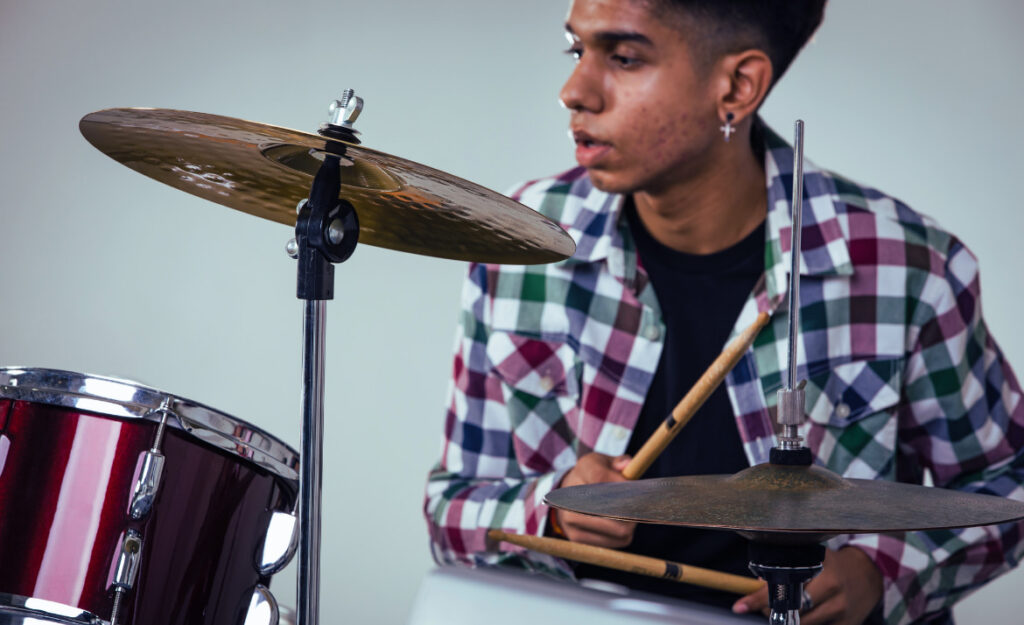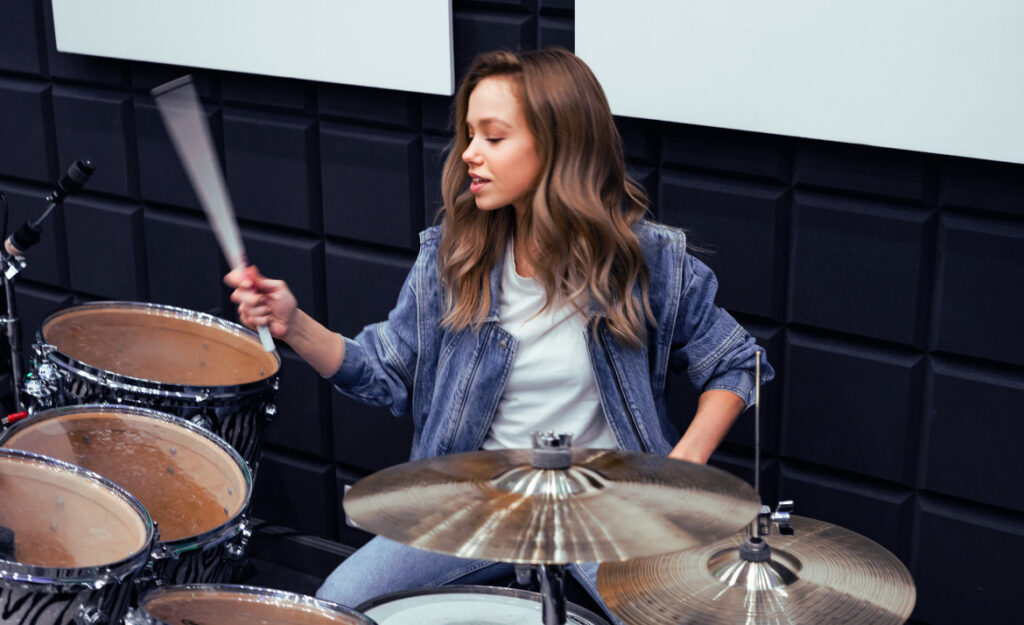
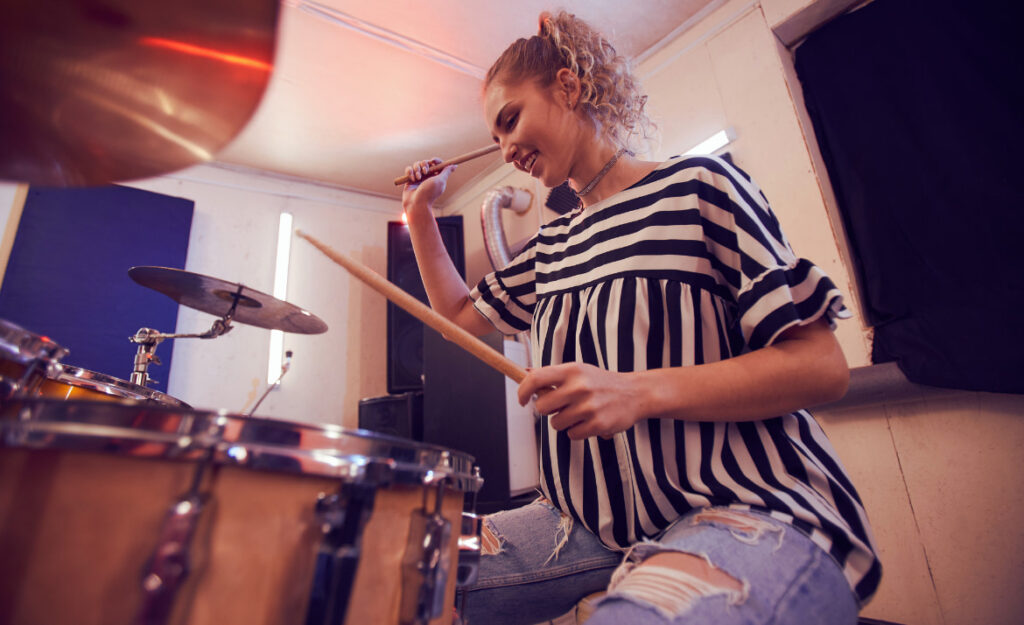
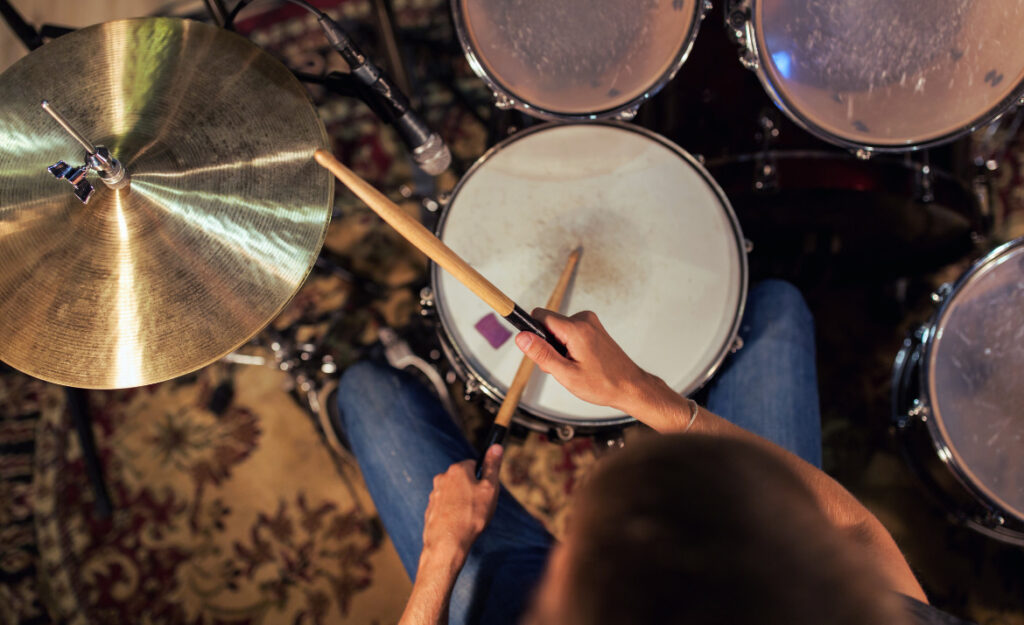
Picking up the sticks for the first time, many find themselves drawn into the world of rhythm and groove. For those considering learning drums solo, curiosity quickly meets determination. Guidance, though, can feel scattered, especially if you’re used to the structure teachers provide.
Without personal instruction, learning drums introduces unique challenges and freedoms. Drummers pursuing independence have to develop self-awareness, honest feedback, and sustained motivation to keep progressing.
This article dives deep into practical methods, proven resources, and real routines for learning drums without a teacher. It’ll outline reliable steps, digital tools, and smart habits to build real skills on your own.
Starting Your Drum Journey Alone: Setting Up Effective Habits
Developing the right habits from the very beginning determines success when learning drums independently. Readers will discover actionable routines they can use to stay accountable and productive every day.
Clear goals help structure each practice session. Write out what you want to achieve with your drumming in realistic, measurable terms. Revisiting these goals each week strengthens your focus.
Building a Practice Environment that Supports Growth
Create a dedicated, inviting practice space where you enjoy spending time. Organize your drums, sticks, pad, and any learning drums resources where they’re easily accessible to encourage daily sessions.
Invest in a comfortable stool and sound solutions such as mutes or pads for quieter practice if noise is a concern. This helps maintain healthy practice habits without distractions or frustration.
Tracking Progress and Staying Honest with Yourself
Use a journal or practice log to record what you work on each session. Writing down tempo, exercises, or feelings after each day builds self-awareness and accountability.
Record your playing using your phone or a laptop at least weekly. Listening back reveals strengths and weaknesses more clearly than relying on memory alone, fueling targeted improvement for learning drums.
Finding Digital Tools to Guide Independent Drumming
Leveraging online resources exponentially expands what’s possible when learning drums by yourself. The right tools replicate aspects of real instruction for clear feedback and structure.
Utilizing Video Lessons for Progressive Learning
High-quality video courses offer structured lesson plans created by expert drummers. These lessons often include play-along tracks and sheet music that foster consistent skill building at your own pace.
Platforms like Drumeo, YouTube, and LinkedIn Learning feature step-by-step breakdowns for every level. Pick instructors whose style and demonstration help you visualize and hear correct techniques when learning drums.
- Pause and rewind tricky sections as many times as needed to fully grasp stickings, hand positions, or coordination exercises.
- Bookmark challenging lessons to revisit after a few weeks, tracking your improvement and pushing beyond your initial limits.
- Participate in online drumming communities under each lesson to ask questions or connect with others learning drums without a teacher.
- Supplement each video lesson by practicing the patterns silently on a pad before trying them on a full kit for better control.
Regularly switching between different educators online exposes you to new grooves, fills, and musical tastes, broadening your perspective.
Integrating Drum Apps for Real-Time Feedback
Metronome and play-along apps allow you to improve timing and coordination in measurable ways. Some apps track accuracy, offer varied backing tracks, and help develop internal pulse.
Popular apps like Soundbrenner, Pro Metronome, and Melodics for drums can be tailored to suit beginner or advanced needs and let you practice quietly with headphones.
- Challenge yourself with tempo ramps to build control and endurance when learning drums new patterns or rudiments.
- Use the “record and compare” features in some drum apps to document subtle progress, celebrating each small win with a playback.
- Sync up drumless tracks so you can focus purely on your timing and groove, without being influenced by other drummers’ playing.
- Customize subdivisions and metronome sounds to make challenging drills less monotonous—and to highlight weak points in your internal clock.
Combining several apps into your daily routine creates variety and helps build a solid musical foundation for learning drums solo.
Real-Life Self-Learning Scenarios to Guide Your Practice
Successful independent learners cultivate consistency and creativity in their routines. Observing actual approaches helps drummers identify patterns and adjust their own process for faster growth.
Each scenario highlights habits or mindsets that turbocharge skill acquisition and musicality for drummers learning alone.
Learning Drums as a Complete Beginner at Home
Beginners often start on a practice pad with simple stick control and basic rhythms. Keeping sessions short and focused prevents frustration and encourages discipline, especially for solo learning drums journeys.
Recording yourself from week one offers measurable proof of progress. Even subtle improvements in grip and sound quality boost motivation to keep practicing daily.
Developing Advanced Independence Without Formal Lessons
Intermediates who’ve mastered basics frequently explore more complex coordination, styles, or improvisation. Transcribing grooves by ear embeds new vocabulary without relying directly on a syllabus or teacher.
Collaborating remotely—jamming with tracks, or joining online challenges—adds accountability and opens up new motivators when learning drums on your own terms.
Intentionally learning songs outside your preferred genre also stretches your creativity and keeps your passion for drumming fresh and engaged.
Comparing the Best Online Tools and Apps for Learning Drums
The explosion of digital platforms has made learning drums possible for anyone, anywhere. Comparing features, focus, and approach equips drummers to match resources with their personal goals and level.
The following table breaks down top apps and websites for solo drum study by focus area, usability, and unique benefits, vital for setting up your ideal practice workflow.
| Name | Best For | Key Features |
|---|---|---|
| Drumeo | Comprehensive drum lessons, all levels | Video lessons, song breakdowns, play-along tracks, community forums |
| Melodics | Technique building, coordination, timing | Interactive exercises, instant feedback, gamified challenges, tracking |
| Pro Metronome | Improving timekeeping | Custom subdivisions, tempo ramps, accent options |
| YouTube | Diverse lessons, varied genres | Free tutorials, live jams, community uploads |
| Soundbrenner | Metronome and rhythm training | Wearable device sync, multi-device capability, polyrhythm support |
This overview displays smart combinations of digital resources that adapt to every phase and focus area when learning drums independently.
Exploring Key Topics in Independent Drumming
Expanding your practice into multiple areas yields long-term improvement when learning drums as a solo pursuit. Each subcategory provides unique value that collectively accelerates overall development.
Developing Consistent Rudiment Practice
Allocating five minutes per session to rudiments, such as paradiddles and flams, ingrains coordination and control. Start slow, steadily build speed, and compare your sound to reference audio often.
Adding dynamics—soft and loud strokes within a pattern—brings musicality to technically simple exercises and directly improves both hand and foot control.
Building Basic Drum Set Coordination
Practice right- and left-handed lead grooves. Use slow tempos to master four-way independence, gradually introducing hi-hat foot patterns while tracking accuracy and sticking in a journal.
Layer play-along music in the background for added challenge, adjusting patterns and fills to fit musical context instead of playing exercises in isolation.
Incorporating Song-Learning into Solo Practice
Choose simple, favorite songs and break down drum parts by ear before referencing sheet music. This sharpens listening and supports retention when learning drums from real music.
Test yourself by playing along with the original recording, then using a drumless backing track to assess how well you maintain form and energy independently.
Connecting each practice subcategory to overall drumming goals ensures daily growth and a lasting foundation.
Integrating Independent Practice with Band and Session Work
Transferring solo learning drums progress to collaborations strengthens musicality and confidence. Playing in groups presents fresh challenges and rewards unattainable with self-study alone.
Bridging Personal Practice to Live Rehearsals
Arrange mock rehearsal scenarios at home, recreating full song structures and common setlist flows. This prepares you for cues, transitions, and real-time musical adjustments in band situations.
Analyzing your adaptability after each session sharpens skills for future gigs and recording opportunities, making you a more reliable player overall.
Adapting Solo Routines to Jam Sessions and Studios
Keep a core list of go-to grooves and fills memorized for quick deployment during group improvisation. Rotate in new ideas from your solo learning drums research every time you play with others.
Document jam outcomes and note areas to practice for next time, ensuring every experience contributes to your individual and collective progress.
Leveraging Practice Tools in Band Settings
Make use of metronome and play-along tracks during group rehearsals for objective tempo control. Encourage bandmates to share their feedback on your timing and feel.
Recording rehearsals provides a reliable mirror, revealing strengths and any group habits for improvement, linking solo learning drums skills to effective teamwork.
These connections turn solo learning into practical confidence for every musical challenge ahead.
Addressing Challenges and Fueling Lifetime Growth
Every independent drummer faces motivational dips and technical plateaus. Adjustments in practice approach and a willingness to seek targeted feedback unlock sustainable learning drums progress.
If frustration strikes, revert temporarily to foundational exercises: slow rudiments, simple grooves, or short listening breaks. Resetting your focus renews energy for advancing through harder challenges.
When goals start to feel stale or unreachable, refresh them by integrating new genres, artists, or technical studies. Joining online projects or local jam nights sparks innovation and rekindles your drumming drive.
Sustaining Momentum and Growth Without a Teacher
Learning drums without a teacher is a rewarding challenge that builds resourcefulness and discipline. Every successful routine begins with a well-structured plan and a passion for steady discovery.
Diversifying your practice—alternating between technical drills, new songs, coordination, and creative drills—ensures well-rounded skill development. This approach equips you for both solo and group musical experiences.
Solo learners thrive by thoughtfully adapting digital tools, community feedback, and self-reflection. Consistency is the bridge between casual learning and lifelong musicianship for any independent drummer.