Every drummer who’s decided to learn on their own quickly faces the question of where to begin. Sure, there are endless resources, but drum method books remain a top choice for guided progress. When browsing for the right drum method books, it helps to know what skills and techniques you wish to develop.
Self-directed practice can lead to fast, noticeable improvements if you follow well-structured lessons. The right drum method books make each session clear and purposeful while building solid foundations for independence.
This guide explores which drum method books suit independent learners, why they work, and how specific strategies, tools, and complements help you gain the most from every hour behind the kit.
Building Your Foundation with Classic Drum Method Books
Starting your independent study with tried-and-tested drum method books sets a reliable path. These classics build technique, reading skills, and musicality from the ground up.
Progress is noticeable when you follow daily routines from established authors, who break down rudiments, timekeeping, and limb independence step by step.
Understanding the Value of Structure
Books provide a logical sequence, allowing you to focus on clear tasks at each stage while avoiding confusion from information overload.
This methodical approach helps new drummers understand what to practice next and why, making progress feel consistent and rewarding.
Developing Technique and Confidence
Classic drum method books introduce rudiments, stick control, and reading notation in manageable increments. Each lesson blends technique with musical context, boosting confidence in your daily routine.
As you advance, you’ll see how structure and repetition set by these books steadily improve your coordination and sound control, making every effort worthwhile.
Structuring Self-Led Practice for Lasting Results
An efficient practice routine guides you through the pages of drum method books while fostering self-discipline, which is key for independent learning.
Scheduling Smart Practice Sessions
Plan your sessions in 15- to 30-minute blocks, separating warm-ups, new studies, and review. This schedule maintains focus and prevents fatigue from derailing good habits.
- Break down each drum method book lesson into micro-goals for daily practice. Tackling small sections ensures you retain skills before moving on.
- Apply metronome work to solidify timing, gradually increasing tempo only when accuracy is consistent for several days.
- Record short audio or video clips of your progress and compare them against example tracks provided in many top drum method books.
- Allow a five-minute cool-down by improvising or revisiting a favorite groove, making practice feel rewarding and natural every time.
- Log your routines using a digital or paper planner to monitor and celebrate visible growth along your journey with drum method books.
Sticking to this system consistently compounds results, reinforcing concepts and avoiding plateaus common in unsystematic study.
Integrating Feedback Without a Teacher
Without one-on-one instruction, feedback becomes self-generated. Use available technology to evaluate your playing and adjust accordingly based on specific book examples.
- Compare your performances with transcriptions and demonstration tracks included in drum method books to identify gaps and strengths in your technique.
- Make audio notes after each session to articulate what felt solid, and where extra focus is needed in coming days for steady improvement.
- Connect online with learners studying the same drum method books by sharing clips and ideas to broaden your perspective.
- Seek out video breakdowns, but always prioritize the original drum method books as your main learning roadmap, avoiding distraction from random tips.
This balanced approach lets independent drummers turn self-observation into steady progress, reinforcing good habits along the way.
Advanced Concepts Explored Through Drum Method Books
As your skills sharpen, drum method books open deeper ideas like polyrhythms, limb independence, and dynamic control, fostering musicianship beyond basic grooves.
Creative examples in modern drum method books apply complex ideas to musical settings, letting you translate theory into compelling rhythms for any style.
Applying Coordination and Groove Studies
Some advanced drum method books target four-way independence and groove layering. Practicing these exercises builds resilience so you can handle multiple musical roles within any band.
Sustained work on these books means your fills and patterns become increasingly sophisticated, yet always remain tight and musical thanks to systematic training.
Exploring Stylistic Diversity and Improvisation
Drum method books dedicated to jazz, funk, or Latin infuse your vocabulary with idiomatic phrasing. These expand not just your reading but your ability to converse musically with any ensemble.
Diving into stylistic method books introduces improvisational frameworks, encouraging independent thought, and breaking creative barriers without deviating from disciplined practice.
Comparing Popular Titles for Every Skill Level
Choosing among the best drum method books involves comparing content depth, readability, and progression for solo students. The table below contrasts influential works covering foundational through advanced topics.
| Book Title | Target Level | Key Features |
|---|---|---|
| Stick Control by George Lawrence Stone | Beginner–Advanced | Rudiments, hand technique, versatility |
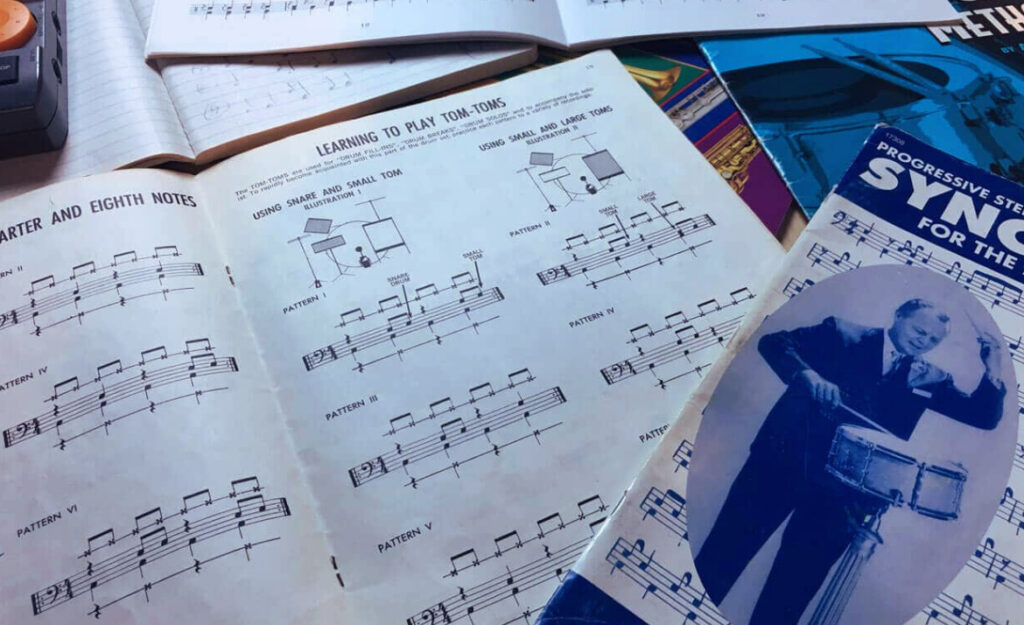
| Progressive Steps to Syncopation by Ted Reed | Beginner–Intermediate | Rhythm reading, groove development |
| Advanced Funk Studies by Rick Latham | Intermediate–Advanced | Funk phrasing, syncopated patterns |
| Groove Essentials by Tommy Igoe | All levels | Genre breadth, modern play-alongs |
| The Art of Bop Drumming by John Riley | Intermediate–Advanced | Jazz language, improvisation drills |
Evaluating these drum method books lets you pinpoint the right fit for your current level and preferred musical direction, streamlining self-guided study sessions.
Focusing on Technique, Reading, and Creativity Side by Side
Successful independent drummers weave fundamental techniques, reading skills, and creative improvisation into a single ongoing process using well-structured drum method books.
Technique Drills That Drive Progress
Dedicated chapters in drum method books, such as paradiddle variations, triplet phrasing, and double strokes, target finger control and stick balance for better sound and articulation.
Daily work through these drills builds speed and accuracy without sacrificing musical expression, setting the stage for more creative drumming later.
Improving Sight Reading with Structured Material
Progressive exercises sharpen your ability to read new rhythms at sight. Sticking to a regular page-per-day routine with drum method books transforms hesitant reading into effortless interpretation over time.
Marked challenge sections in these books simulate real musical scenarios, which builds confidence for both performance and rehearsal settings.
Encouraging Spontaneity Through Musical Studies
Creative exercises prompt you to add fills and alternative orchestrations to core grooves, broadening your vocabulary. These musical studies nurture improvisation skills and resilience under pressure.
Working this way means you aren’t just repeating patterns—you’re learning to create your own drum phrases by applying concepts from trusted drum method books daily.
Connecting these elements in practice keeps sessions motivating and always relevant to actual musical situations.
Integrating Tools and Platforms for Enhanced Self Study
Technology multiplies the effectiveness of traditional drum method books by supplying real-time feedback, demonstration tracks, and progress tracking personalized to your learning style.
Blending Print and Digital Resources
Sync physical drum method books with mobile metronome and notation apps for maximum flexibility. Digital libraries let you explore supplemental exercises when you want new challenges.
Some platforms, like Drumeo or Vic Firth’s library, offer play-along tracks that directly support printed book curricula, making each lesson immersive and interactive.
Using Practice Apps to Reinforce Learning
Apps such as Soundbrenner and Groove Scribe let you tap out rhythms or sequence challenging passages from drum method books, tracking accuracy and tempo growth over days or weeks.
These newer tools make it easy to pinpoint weak spots and record improvement, especially helpful for the independent drummer craving concrete milestones.
Learning from Communities and Video Lessons
While sticking to the core material in drum method books, supplement with forums, video breakdowns, or subreddit challenges. Peer feedback fuels motivation and exposes you to global perspectives.
Choose these extras for inspiration after your daily method book practice, ensuring your primary direction remains focused on consistent technique and musicality.
This hybrid approach leverages the best of print and digital worlds, giving you every advantage in your self-taught journey.
Connecting Drum Method Books to Broader Musicianship
The lessons and routines reinforced by drum method books pay off far beyond solo study — they shape your adaptability when playing in bands or recording sessions.
Applying Core Concepts in Live Playing
When you jam with others, patterns from drum method books help you lock in grooves tightly and adjust quickly to new song forms, increasing your confidence on stage.
Solid practice habits make your transitions between fills, choruses, and bridges almost reflexive, as book routines mirror real ensemble demands.
Supporting Composition and Originality
Your creative output multiplies as drum method books provide frameworks for coming up with new fills, metric modulations, and stylistic blends without getting stuck in old habits.
Working through advanced books on phrasing and structure means your drumming can support or steer the musical conversation in group settings easily.
Bridging Genres with Versatile Studies
Wide-ranging drum method books move you comfortably between pop, jazz, rock, and Latin, opening doors to collaboration and giving you tools to adjust on the fly.
Flexible reading and varied technical studies ensure your playing is never limited to one style, but always rooted in strong fundamentals.
These connections transform what could be isolated routines into powerful musicianship, recognized by peers and bandmates alike.
Overcoming Challenges and Evolving Your Approach
Independent learners sometimes hit walls — confusion, lack of progress, or motivation dips. Carefully chosen drum method books keep direction clear and momentum high.
Rotate between multiple drum method books to avoid burnout and cover technique, reading, and creative playing in balanced cycles.
Adjust routines if boredom creeps in: introduce a fresh page, new tempo, or style to spark curiosity and reignite purpose during solo practice.
Key Takeaways for Independent Drummers
Drum method books remain reliable guides for structured growth, from fundamentals to advanced artistry, empowering independence for drummers at every skill level.
Sustained, varied practice using proven drum method books ensures you’re always building on core skills while exploring broader musical landscapes in a manageable way.
Stick with a rotation of respected drum method books, and supplement purposefully, to anchor progress while letting curiosity drive your ongoing drumming journey.