
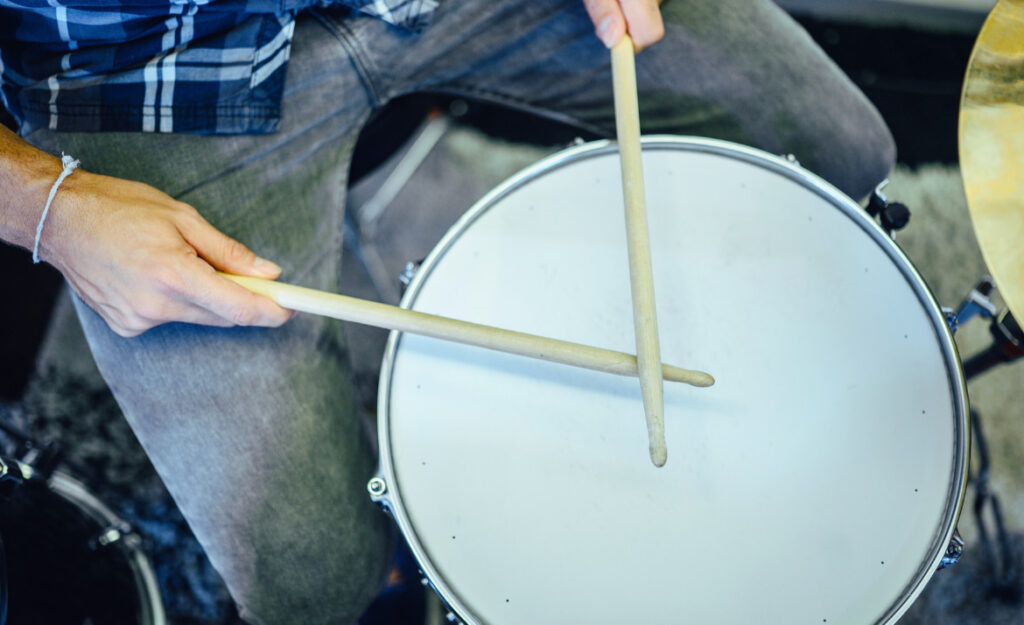

You sit at your kit, sticks in hand, and sense both excitement and frustration fighting for attention – learning motivation drifts in and out as you practice your groove.
Motivation shapes every drummer’s journey. When you know why you’re practicing and what each step offers, even tedious drills gain meaning and speed your learning.
This article outlines practical, actionable ways to boost learning motivation, build sustainable practice habits, and keep your drumming progress steady and enjoyable.
Clarifying Your Drumming Goals Supports Lasting Motivation
Knowing exactly what you want to achieve drums up focus and keeps learning motivation strong through every sticking pattern, fill, and exercise session.
Meaningful goals translate vague dreams into steps you can see, hear, and measure. This structure keeps you excited about showing up for daily practice.
Setting Realistic Milestones for Progress
Break big goals into smaller pieces – like mastering singles before moving to doubles, or learning one fill a week. This enhances learning motivation over months.
Visible progress – even tiny wins – makes effort feel valuable. Mark each milestone as you complete it and celebrate that clear movement forward on your journey.
Personalizing Goals to Fit Your Vision
Your learning motivation increases when your goals reflect personal interests, whether that’s playing metal blast beats, smooth jazz, or creative world grooves.
Customize learning paths to mirror your musical tastes and ambitions. This keeps repetition from becoming dull and continually renews your commitment to learning motivation.
Tracking Practice Routines Builds Consistent Results
Documenting your progress transforms learning motivation from a feeling into a habit you can see and tweak daily.
Using Practice Journals to Record Achievements
Write down sticking patterns, tempos, or songs played each session. Noting these actions grows learning motivation as improvement becomes visible in black and white.
An accurate log lets you identify strong areas and targets for extra attention. This feedback makes each practice session count toward bigger goals.
- Recording daily progress clarifies what you’ve mastered and what needs repetition, keeping each practice block purpose-driven instead of random.
- A written journal supports honest reflection, not just gut feelings about your improvement, and helps fend off frustration by showing patterns of growth.
- Organizing goals into monthly themes or weekly targets simplifies decision-making and gives each day’s work more context.
- Journaling inspires discipline, which in turn powers learning motivation over weeks and years – not just when you’re feeling inspired.
- Looking back over months of notes will reveal trends and successes you’d otherwise miss, rewarding you for your persistence.
Tracking routines helps make progress seem manageable, not overwhelming, which sustains learning motivation through challenging stretches.
Adapting Practice Schedules When Needed
Changes at work or school? Adapt sessions to fit available time. Even short, well-structured practices will maintain learning motivation if they’re consistent.
Being flexible protects against guilt from missed days or sudden slumps, resetting your focus on progress instead of perfection.
- Reschedule or split long sessions into shorter ones to better match your current lifestyle and daily energy levels.
- Experiment with morning, afternoon, or evening sessions to discover when focus and motivation are naturally higher, then plan practices accordingly.
- Allow active rest days instead of total breaks – try light practice, listening, or reading drum books when you can’t play physically.
- Forgive missed days without letting setbacks derail long-term learning motivation. Quickly getting back on track is always more important than never missing a session.
- Regularly review and adjust your practice structure based on real progress, not rigid routines – your needs change as your skills develop.
Adjusting your schedule helps sustain learning motivation while preventing burnout and stagnation, no matter how busy life gets.
Leveraging Inspiration From Music and Community
Drawing energy from music, other drummers, and meaningful experiences keeps your learning motivation fresh during tough patches or plateaus.
Hearing a favorite drummer’s groove or analyzing a classic performance helps you remember why you started – and what still excites you about drumming.
Finding Role Models to Spark Action
Identify two or three players whose style, creativity, or attitude energizes your learning motivation. Watch their performances, interviews, or play-along videos for clear inspiration.
Role models bridge your goals and what’s possible with consistent effort, reminding you every day of the path you’re walking.
Participating in Local or Online Drumming Groups
Connect with fellow drummers through local meetups, student ensembles, or online forums. Sharing progress or overcoming struggles together keeps learning motivation social and supportive.
Regular feedback and shared achievement can transform isolated practice into a rewarding community experience, motivating you toward sustained, long-term growth.
Comparing Drumming Apps and Platforms for Practice Support
Modern digital tools offer structured routines, interactive play-alongs, and instant feedback, making drumming practice more engaging and tangible for better learning motivation.
The right platforms cater to different goals, genres, and skill levels. By finding one that matches your needs, you reinforce learning motivation with every session.
| App or Site | Main Features | Best For |
|---|---|---|
| Drumeo | Video lessons, play-alongs, learning paths | All levels, structured lessons |
| Melodics | Interactive practice, instant feedback, song-based | Beginners, improving coordination |
| Soundbrenner | Metronome, rhythm exercises, sync with gear | Timing, routine practice |
| Yousician | Real-time feedback, guided lessons, gamification | Game-like learning, self-paced progress |
| Roland Cloud Academy | Drum lessons, gear integration, artist sessions | Electronic drum users, technical workouts |
Choosing the right tool adds structure and variety, supporting learning motivation and helping you stay accountable to clear, actionable goals.
Identifying Habits That Strengthen or Undermine Your Progress
Habits either drive learning motivation forward or erode your discipline. Recognizing and adjusting these patterns ensures steady improvement through every stage.
Building Pre-Session Rituals
Small rituals, like tuning, warming up, and setting intentions for the session, signal your brain it’s time to focus, sustaining learning motivation before you even start playing.
These repeated actions prime your body and mind for better practice, reducing resistance and enhancing long-term retention of techniques and concepts.
Managing Distractions in the Practice Environment
A cluttered space or constant interruptions sap learning motivation. Create a designated, organized practice area free from phones, mess, or unrelated noises.
Setting physical boundaries encourages deeper immersion and blocks mental fatigue, keeping the focus where it belongs: on steady improvement and joy in playing drums.
Establishing End-of-Day Reflection
After each session, jot down what felt easy, what challenged you, and a single area to work on next. This reinforces your commitment and amplifies learning motivation.
Reflection highlights the link between daily action and bigger progress, boosting your drive to keep moving forward, regardless of external rewards or recognition.
Consistent habits, anchored by routine and reflection, build learning motivation into the fabric of your drumming journey, regardless of outside circumstances.
Connecting Motivation With Broader Music Practice and Life Balance
Motivation doesn’t exist in a vacuum – it’s shaped by the music you love, your daily habits, and how you manage the balance between drumming and outside responsibilities.
Integrating Drumming With Broader Music Study
Apply rhythmic ideas on other instruments or in composition. Blending disciplines can reignite learning motivation and deepen your understanding of grooves and phrasing.
Exploring different genres and approaches keeps practice fresh, challenging you to grow as a well-rounded musician rather than just a drummer.
Balancing Drumming With Work, Study, and Family
Create a routine that accommodates your real-life schedule and priorities. Open discussions with family or friends can protect your practice time and learning motivation.
Balance prevents resentment or burnout, allowing you to bring curiosity and energy to every session, not just when you feel completely free.
Recharging Outside the Practice Room
Physical movement, time outdoors, or listening to new music can all renew your drive, refueling learning motivation so practice never feels like a grind.
Time away from the instrument is essential for perspective and creativity, helping breakthroughs emerge during both active practice and downtime.
Seeing drumming as part of a bigger creative life protects its place as a joyful, sustainable discipline fueled by ongoing learning motivation.
Pushing Through Slumps and Tracking Your Breakthroughs
Every drummer encounters days when learning motivation dips, routines feel stale, or goals seem just out of reach. Persistence brings genuine breakthroughs if you stick to a clear plan.
Reviewing prior achievements and experimenting with creative challenges restores confidence, injecting excitement into your next round of practice sessions and discoveries.
Routines might occasionally lose their spark, but learning motivation returns quickly by pivoting focus or revisiting inspiring performances. Allow time for both rest and intense concentration.
Moving Forward With Renewed Learning Motivation
Deliberate practice, meaningful connection, and disciplined habits combine to support learning motivation across every stage of your drumming evolution.
Drummers who clarify goals, personalize rituals, and use the right tools are better prepared for periods of rapid growth, slower plateaus, or unexpected setbacks.
Motivation isn’t automatic or infinite, but with awareness, community support, and intentional reflection, you can keep your learning motivation strong and rewarding for years to come.