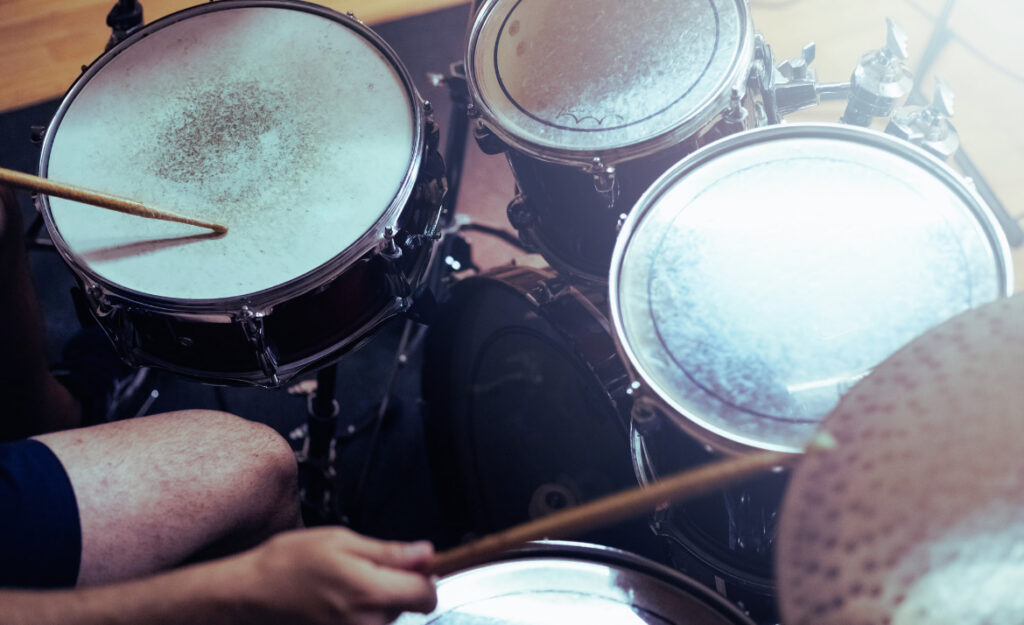

Sitting behind the kit at a Sunday church service, drummers regularly face a mix of anticipation and pressure. The gospel drumming tradition has evolved into a vibrant, demanding art form with unique expectations.
Drummers in gospel settings balance technical skill, expressive groove, and deep musicality. Each performance blends precision with heart, shaping the spirit of modern worship and energizing choir-backed congregational moments.
This article explores gospel drumming and its trademark chops, signature grooves, and the crucial role of musicality. You’ll discover practical habits, real-world examples, and comparisons to help you elevate your approach.
Developing Chops and Groove: The Foundation of Gospel Drumming
Building sharp technical chops and an infectious groove empowers drummers to carry any gospel song. Gospel drumming demands genuine feeling as well as advanced limb independence and speed.
Confidence comes by blending accuracy and fluid motion, letting ghost notes and syncopations speak within the groove. This approach turns basic patterns into musical conversation and keeps the music alive.
Practicing Linear Fills for Control
Linear fills showcase gospel drumming creativity and stick control. Place notes side-by-side with single strokes on hands and feet to increase technical fluency and vocabulary.
Linear fills naturally emphasize syncopation, making them a favorite for energetic shout sections. Start at slow tempos and gradually build speed without sacrificing clarity or flow.
Syncopation as a Signature Language
Syncopation lies at the core of gospel drumming. Use displaced snare hits and kick drums in unison with choir accents to immerse the rhythm section in the music’s spirit.
Adding small bursts of unexpected accents creates tension and excitement, while returning to the pocket keeps listeners engaged and grounds the ensemble throughout every phrase.
Signature Grooves That Drive Gospel Performances
Distinct groove patterns form gospel drumming’s instantly recognizable pulse. Building these signatures develops rhythmic identity and supports powerful live performances.
Half-Time Shuffle in Gospel Contexts
Gospel drummers use the half-time shuffle for slow, soulful numbers, channeling emotion through dynamic hi-hat textures and ghost notes under swelling vocals.
Focus on snare placement and subtle modulation for tension, locking in kick patterns to communicate each lyric’s meaning as songs resolve and reach their height.
- The “praise break” groove uses sharp snare backbeats with busy hi-hats and syncopated bass drum figures for high-energy moments and music transitions in gospel drumming.
- The “up-tempo 2 feel” applies brisk ride or hi-hat strokes on beats two and four, letting the hand and foot interplay lead exciting, driving praise songs.
- “Triplet swing” grooves sync three subdivisions per beat for a bluesy, joyful feel—essential for gospel songs that require rhythmic freedom and expressive movement.
- “Stomp clap” grooves, echoing handclaps, feature rimshot and bass accents on beats one and three, bringing unity and power to classic choir-led gospel arrangements.
- “6/8 shout” patterns use rolling floor tom and ride rides to energize upbeat songs and altars, allowing seamless transitions between sections and building sustained musical energy.
Combining these grooves gives gospel drumming its flexibility, inspiring the band and congregation through rhythmic variety and spontaneous interactions.
Call-and-Response in Gospel Drumming
Call-and-response passages let the drummer echo or answer choir phrases with short, bold fills or rhythmic punctuation, tying the performance together melodically.
Musical call-and-response builds chemistry, keeps the performance interactive, and demonstrates the essential musicality expected from any player in a gospel drumming role.
- Layer fills behind vocal cues to emphasize dynamic changes and dramatic storytelling during solos or climaxes in the music.
- Echo short rhythmic phrases, drawing inspiration from congregation or director gestures, helping everyone stay engaged and feeling involved.
- Respond subtly to dynamics using quiet cymbal swells or brushwork when the music softens, reinforcing the emotional arc of the music.
- Trade short patterns with the organist or guitarist, reinforcing musical hand-offs and accentuating the improvisational spirit of gospel drumming.
- Use call-and-response to anchor transitions, making fast tempo changes and key modulations feel intentional.
Thoughtful call-and-response keeps the music responsive, uniting musicians and listeners through rhythmic storytelling and spontaneous interplay.
Musicality in Gospel Drumming: Building Emotion and Space
Fostering genuine musicality lets gospel drumming emotionally connect audiences and elevate worship. True musicality means knowing when to play less, heighten intensity, or leave phrases open.
Taking time with dynamics, timbre, and touch, gospel drummers infuse every groove and fill with detail that builds moments and supports the group’s collective energy.
Dynamics Shape the Energy of the Service
Dynamic control in gospel drumming begins with nuanced hi-hat textures and soft ghost notes that leave space for the singer to build momentum and reach dramatic peaks.
Accentuating big crescendos and subtle breaks, dynamics create emotional arcs across each section, helping to tell the story as the service flows.
Spacing Fills and Grooves for Maximum Impact
Pausing before launching into a fill or open hi-hat hit gives tension and clarity to each musical idea. In gospel drumming, restraint stands out as much as technical flash.
Spacing leaves room for other musicians to breathe, building anticipation for each new phrase and letting the music speak more profoundly.
Comparing Legendary Gospel Drumming Artists and Their Setups
Exploring the tools and habits of acclaimed players gives new perspective on gospel drumming. Examining gear, platforms, and practice strategies highlights what shapes their signature sounds.
This table compares the setups, online platforms, and signature approaches of four renowned gospel drummers, showing how each player’s style reflects gospel drumming’s evolving language.
| Artist | Signature Gear | Apps/Platforms Used | Key Chops/Groove Feature |
|---|---|---|---|
| Calvin Rodgers | SJC Drums, Zildjian K Customs | GospelChops, Instagram | Fast linear fills, bold backbeats |
| Aaron Spears | Pearl Reference, Remo Heads | Drumeo, YouTube | Expressive ghost notes, groove depth |
| Chris Coleman | Sonyx, Sabian Cymbals | Instagram, Online Lessons | Multi-limb independence, speed bursts |
| Gerald Heyward | Pearl Masters, Remo Pinstripe | GospelChops, Facebook | Pocket playing, dynamic grooves |
Each artist’s setup, app use, and groove language reflect how gospel drumming continues to innovate, blending tradition and technology for new generations.
Notable Variations and Hybrid Styles in Gospel Drumming
Gospel drumming keeps evolving by borrowing techniques and flavors from jazz, R&B, funk, and pop. These hybrid approaches expand what’s possible and let drummers personalize their sound.
Jazz Influences Boost improvisation
Jazz-laced gospel drumming adds ride cymbal variations and swinging snare placements to create more interactive grooves and encourage creative, spontaneous interplay between drum kit and choir.
This approach invites improvisation during instrumental breaks, so drummers can dialogue with soloists or reflect the mood changes happening onstage.
Funk Flavors Energize Choir-backed Songs
Dropping in syncopated hi-hat accents and crisp snare turns up the funk factor, driving intense choir vocals and lively dance breaks in modern gospel drumming performances.
These elements infuse energy and flair, adding brightness and lift to praise breaks and transitions from smooth verses to energetic choruses.
R&B Smoothness Adds Soul
Applying creamy, laid-back grooves from R&B lets gospel drumming adapt to ballads and worship songs rooted in blend and harmony, giving space for emotion to swell in slower numbers.
Slower tempos and open hi-hat textures add warmth and dimension, helping the music breathe and connect with listeners during reflective moments.
Collectively, these hybrid influences turn gospel drumming into a genre-bending, ever-refreshing art, honoring legacy while encouraging innovation and individuality.
Integrating Gospel Drumming Into Practice, Performance, and Collaboration
Integrating gospel drumming into daily routines, group settings, and learning environments helps unlock new levels of confidence, coordination, and expressive depth for any musician.
Building Daily Practice Routines
Start every session with pad work, focusing on linear fills, ghost notes, and coordination exercises from gospel drumming. Consistency in practice reinforces technique and keeps ideas fresh.
Set aside at least fifteen minutes daily for groove drills, gradually incorporating call-and-response, dynamics, and new subdivision patterns into your natural playing vocabulary.
Collaborating in Ensembles and Live Bands
During rehearsals, gospel drumming shines when listening and communicating with others takes priority. Take cues from singers and musicians, adapting fills and energy to fit each performance.
Musicians grow together when drummers lead transitions confidently and use responsive call-and-response, turning charts into living, breathing collaborative works.
Learning from Online Resources and Community
Platforms like GospelChops and Drumeo offer an inside look at real gospel drumming sessions, letting any player study breakdowns of signature grooves, fills, and arrangement tips.
Connecting with active online communities introduces accountability, peer feedback, and new ideas for adapting gospel drumming to your unique musical setting.
Bridging practice, performance, and learning gives gospel drumming relevance everywhere—on stage, in lessons, or while exploring new creative ground at home.
Adapting to Challenges and Evolving Your Gospel Drumming Style
Progress in gospel drumming means facing new technical and creative hurdles head-on. It requires patience, attentive listening, and a commitment to steady improvement over time.
Sometimes, getting stuck in repetitive patterns or old habits blocks your growth. Vary practice methods, transcribe solos from live performances, and experiment with new hybrid grooves to break through plateaus.
Embracing corrections—like adjusting stick heights, speeding up footwork, or opening up fills—lets gospel drumming evolve into something uniquely personal, rewarding, and musically powerful.
Summary and Next Steps in Exploring Gospel Drumming
Gospel drumming brings together technical chops, deep groove, and sincere musicality. By sharpening these skills, drummers create moments that energize bands and congregations alike.
This evolving style demonstrates how diverse influences, smart routines, and intentional listening shape a signature approach and lift every part of the music experience.
By exploring these elements, any musician can infuse their drumming with creativity and feel, supporting broader musical growth and the next wave of gospel-inspired innovation.