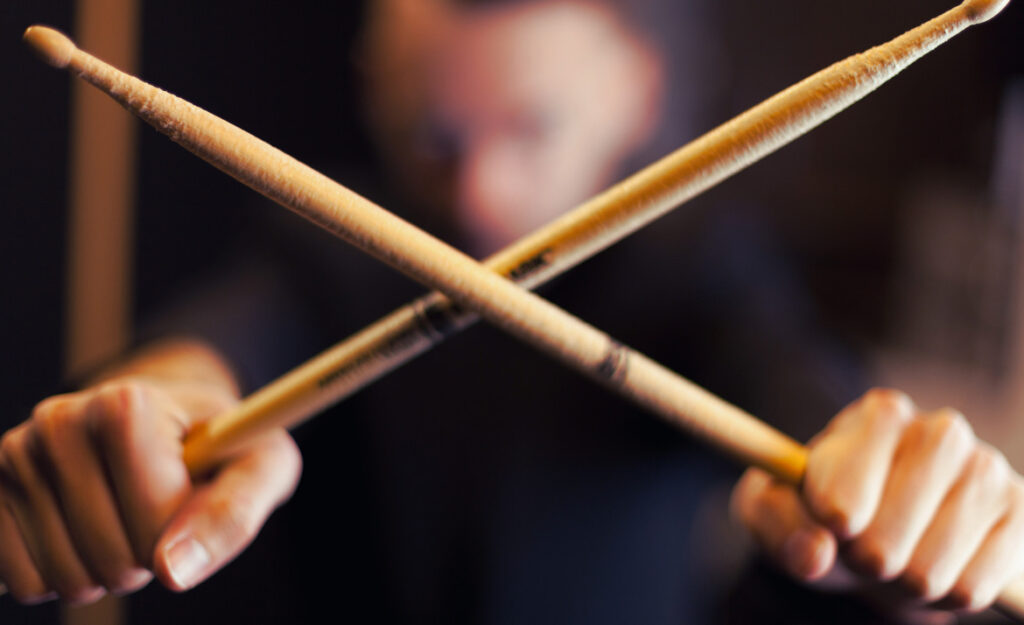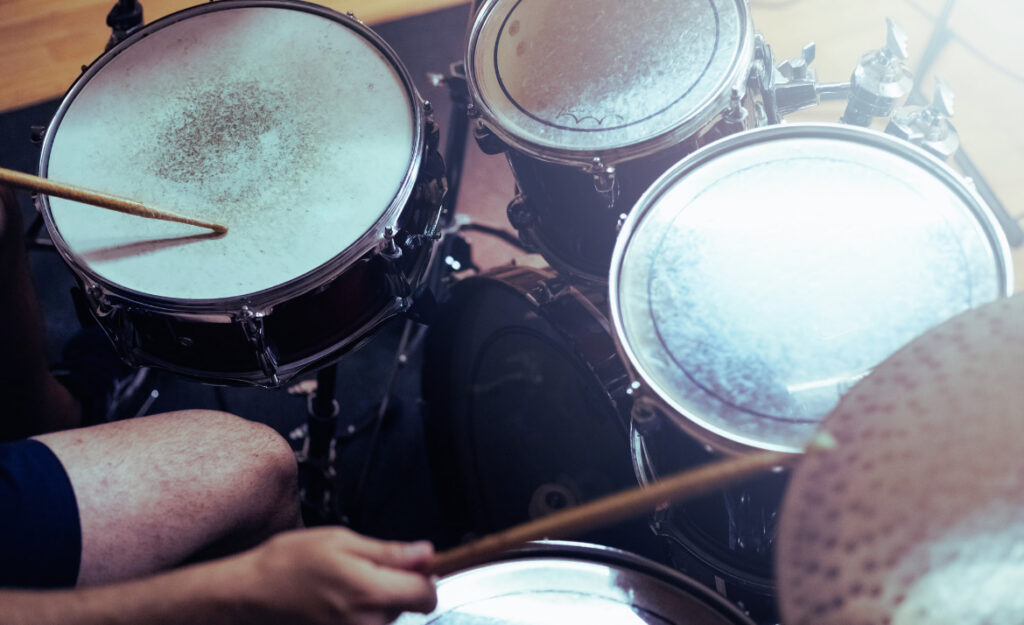
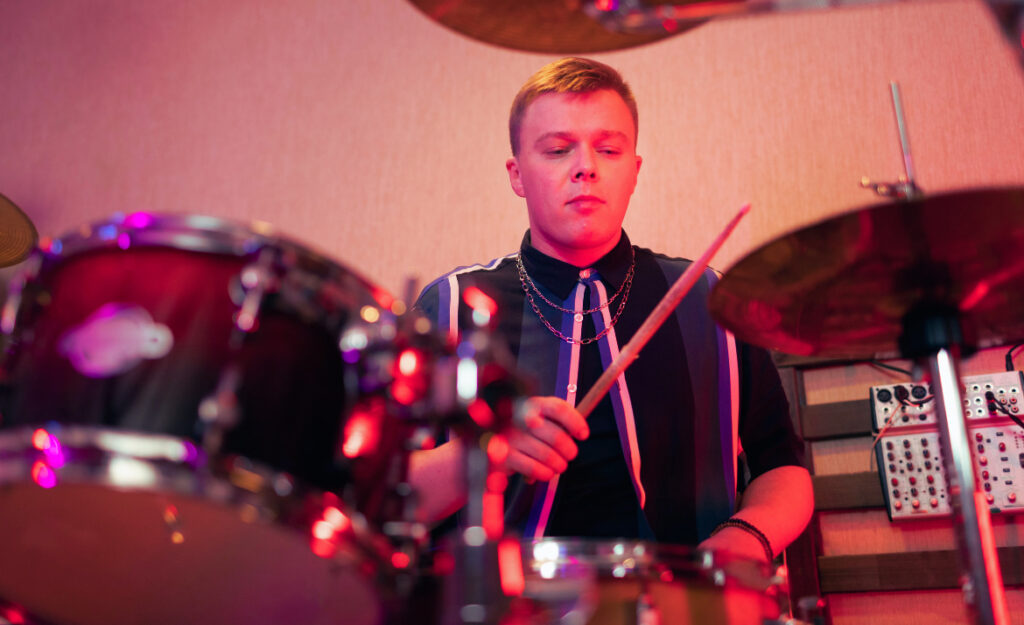
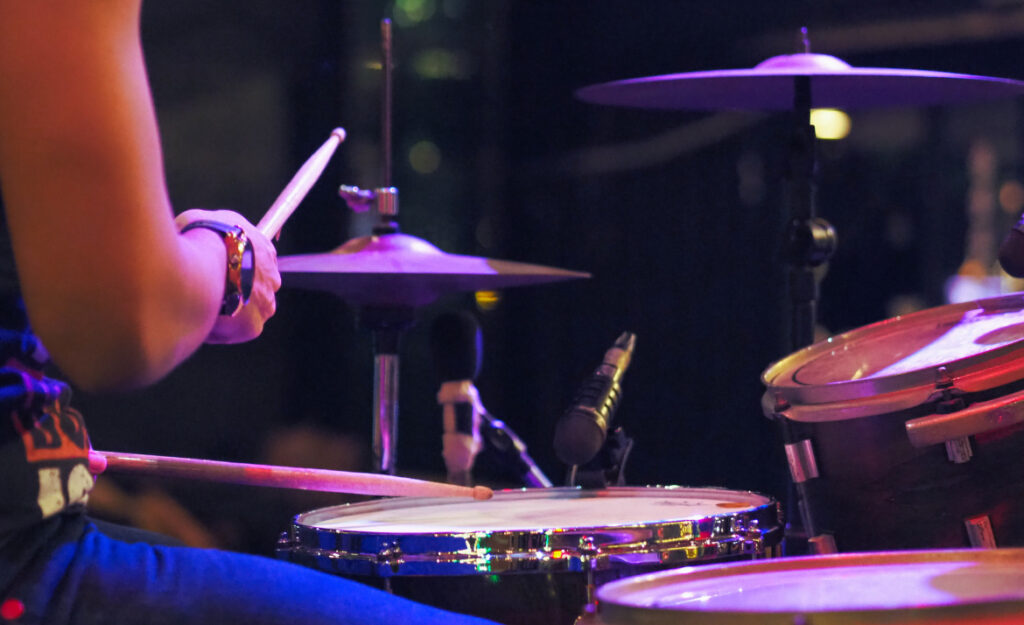
Sitting at the kit and feeling your limbs go in different directions is a familiar experience for drummers who love jazz fusion drumming. This style demands more than basic stick control.
Jazz fusion blends rhythmic arrangements, unique textures, and precision with groove. It matters because it challenges every aspect of your coordination as a drummer, leading to musical breakthroughs.
This article explores jazz fusion drumming, breaking down coordination drills, phrasing, real player habits, tools you can use, and common improvements. You’ll leave with actionable insights.
Coordination’s Role in Creative Jazz Fusion Drumming
Improving limb independence is key to expressive jazz fusion drumming. Practicing coordination boosts your phrasing, timing, and standalone creativity behind the kit every time you sit down.
Great drummers work patterns into their routines, focusing on independence between hands and feet. This process starts slowly but unlocks deeper rhythmic vocabulary for jazz fusion drumming groovers.
Developing Four-Limb Independence
Four-limb independence means playing separate rhythms simultaneously with every limb. Practicing slowly with a metronome helps you internalize this complexity for your jazz fusion drumming toolkit.
Focus on specific independence exercises: right hand on ride, left hand on snare, hi-hat foot keeping time, and bass drum adding kicks. These become basic habits for fusion players.
Layering Odd Groupings and Polyrhythms
Polyrhythms and odd groupings become natural through patient daily drills. Combining three against four, or five note groupings, adds texture to jazz fusion drumming performances.
Start by counting and verbalizing notes out loud. Layer basic phrases before increasing tempo. This lays the groundwork for advanced phrasing in improvisational settings.
Expanding Jazz Fusion Phrasing with Subtlety
Exploring creative phrasing in jazz fusion drumming empowers you to move beyond predictable licks and fill spaces with musical clarity and intention without losing the groove.
Contrasting Straight and Swung Feel
Switching between straight and swung notes lets you give fusion grooves an interesting character. Straight sixteenths anchor the rhythm, while swinging subdivisions create forward motion.
Experiment by combining these feels within the same phrase. Listen for subtle differences. Internalizing both deepens your dynamic palette for jazz fusion drumming ideas.
- Mix triplet and straight sixteenth figures within fills to build tension and release before landing on the beat.
- Practice moving smoothly from straight to swung hi-hat patterns in a single groove, shifting the feel gracefully.
- Try accenting alternate notes in both straight and swung patterns. This develops control across dynamic ranges.
- Improvise short phrases using only either straight or swung notes, then blend the styles during transitions.
Gradual tempo increases help the ears adjust to these shifts, a hallmark skill in jazz fusion drumming vocabulary.
Orchestrating Phrases Creatively
Orchestrate by placing the same rhythm across different drum voices. Play a pattern on snare, then move it to toms, ride, or crash for unique tonal colors.
Explore new orchestrations using left hand lead or subtle ghost notes for variation. This keeps jazz fusion drumming lines interesting during solos and ensemble play.
- Move phrases between high, middle, and low toms to create melodic ideas that cut through dense arrangements.
- Shift ride cymbal accents to the bell, bow, or edge for tonal variation mid-phrase.
- Layer ghost notes under main phrasing for texture and groove definition.
- Distribute similar stickings between snare and floor tom for powerful fills.
Dynamic orchestration challenges muscle memory and trains your ears for advanced jazz fusion drumming applications.
Real-World Examples and Applications of Fusion Coordination
Jazz fusion drumming coordination improves band performance by creating tight, dynamic interaction. Applying these concepts in songs transforms ordinary grooves into vibrant, musical experiences.
Live Ensemble Interaction
Onstage, complex limb coordination lets drummers play off a bassist’s odd-meter groove while soloing. Responding to cues with subtle phrasing keeps the music evolving within a live jazz fusion drumming context.
Locking with tempo changes in real time requires practiced independence. Each limb communicates with different band layers, maintaining cohesion as the song unfolds in unpredictable ways.
Studio Creativity and Layering
Recording fusion tracks demands precision. Drummers often build layers over multiple takes, experimenting with rhythmic phrasing for greater effect. Each pass offers a new chance for exploration.
Manipulating ghost notes, ride patterns, and offbeat kicks lets fusion drummers shape a song’s character. Studio environments reward patience, pushing creativity within jazz fusion drumming spaces.
Comparing Tools That Aid Jazz Fusion Drumming Practice
Practicing for jazz fusion drumming effectiveness relies on more than just sticks and a kit. Modern tools target timing, creative phrasing, and coordination growth in authentic ways.
The following table compares some useful practice resources. These apps and devices suit drummers seeking better independence, metronome functions, and recording capability for jazz fusion drumming development.
| Product | Core Feature | Best For |
|---|---|---|
| Soundbrenner Pulse | Vibrating wearable metronome | Coordinating with internal pulse |
| Drumeo | Video lessons and play-alongs | Learning jazz fusion drumming concepts |
| Syncopation by Ted Reed (Book) | Phrasing exercises | Practicing advanced rudiments and polyrhythms |
| Logic Pro X | DAW for multitrack recording and editing | Tracking and analyzing practice sessions |
Each tool brings a different advantage. Smartly combining these tools supports comprehensive skill-building in jazz fusion drumming practice sessions.
Breaking Down Key Elements of Fusion Coordination and Phrasing
Delving further, jazz fusion drumming can be grouped into subcategories: odd meters, polyrhythmic fills, and dynamic control. Developing each area grows your creative voice.
Odd Meter Grooves
Playing 7/8 or 5/4 time signatures challenges coordination. Counting subdivisions and keeping strong downbeats ensures your groove remains steady through complicated arrangements.
Fusion drummers approach odd meters patiently. Start with simple kick and snare combinations, then introduce hand patterns. This prepares you for real-world fusion band work.
Polyrhythmic Fills
Polyrhythmic fills blend two or more distinct rhythms. Structuring fill phrases over a pulse drives jazz fusion drumming beyond standard rock and swing vocabulary into new creative space.
Break difficult fills into smaller units, counting aloud until comfortable. Layer them in performance only after each component feels natural, supporting phrasing that inspires listeners.
Dynamic Control and Touch
Fusion drumming values subtlety. Soft ghost notes under sharp accents elevate phrases. Practicing crescendos and decrescendos with a metronome refines dynamic control and impresses bandmates.
Use stick height and grip adjustments to control note strength and finesse. Listen to recordings of masters to internalize expressive options.
Connecting these elements, each focus point lets drummers personalize jazz fusion drumming for their musical identity, producing a rich dynamic performance style.
Jazz Fusion Drumming in Ensemble, Practice, and Performance Settings
Jazz fusion drumming interacts with other musicians, daily practice, and varied gear choices. Awareness of these settings advances your adaptability as a musician.
Ensemble Coordination in Live Scenarios
Live fusion groups demand locked-in time and communication. Drummers cue section changes or solos with phrasing, shaping energy and direction for the band with every fill.
Active listening and eye contact become tools for ensemble cohesion. Integrated jazz fusion drumming keeps musical ideas alive throughout the performance.
Solo Practice and Independence Growth
Daily solo routines drive steady growth. Mixing independence drills, metronome work, and creative play results in reliable coordination onstage or in the studio for jazz fusion drumming.
Tracking progress builds confidence. Document these routines, noting challenges and setting new goals weekly for continual advancement.
Gear and Setup Adjustments for Fusion Styles
Choosing right cymbals and snare adjustments lets you emphasize crisp articulation or dark overtones. Jazz fusion drumming benefits from multi-tom setups for increased melodic options.
Experiment with dampeners, stick sizes, or double pedals to tailor your sound. Personalizing your setup helps musical ideas flow more freely within fusion grooves.
These connections shape a drummer’s journey, making practice both productive and directly relevant to real performance environments.
Facing Challenges and Evolving in Jazz Fusion Drumming
When diving into jazz fusion drumming, coordination and phrasing hurdles are part of learning. Stumbling on a polyrhythm is common, but each mistake highlights new growth areas.
Recording practice sessions shows misalignments. Analyzing these moments and slowing down reveals technical gaps—giving clear feedback to turn frustration into further skill improvement.
As you progress, fresh approaches emerge. Incorporate world rhythms, hybrid sticking, or technology for inspiration. Improvement never ends in jazz fusion drumming, fueling continuous exploration.
Refining Jazz Fusion Coordination and Phrasing for Advanced Fluency
Reviewing the nuances of jazz fusion drumming, coordination and phrasing are cornerstones for creative, flexible musicianship. Consistent practice and analysis foster growth you can hear and feel.
These skills open up new possibilities for interaction, improvisation, and dynamic range, contributing to the artform of drumming beyond genre limits.
Each new exercise, challenge, and performance can lead to artistic breakthroughs. Staying curious and attentive to detail ensures ongoing learning in jazz fusion drumming for inspired playing.