
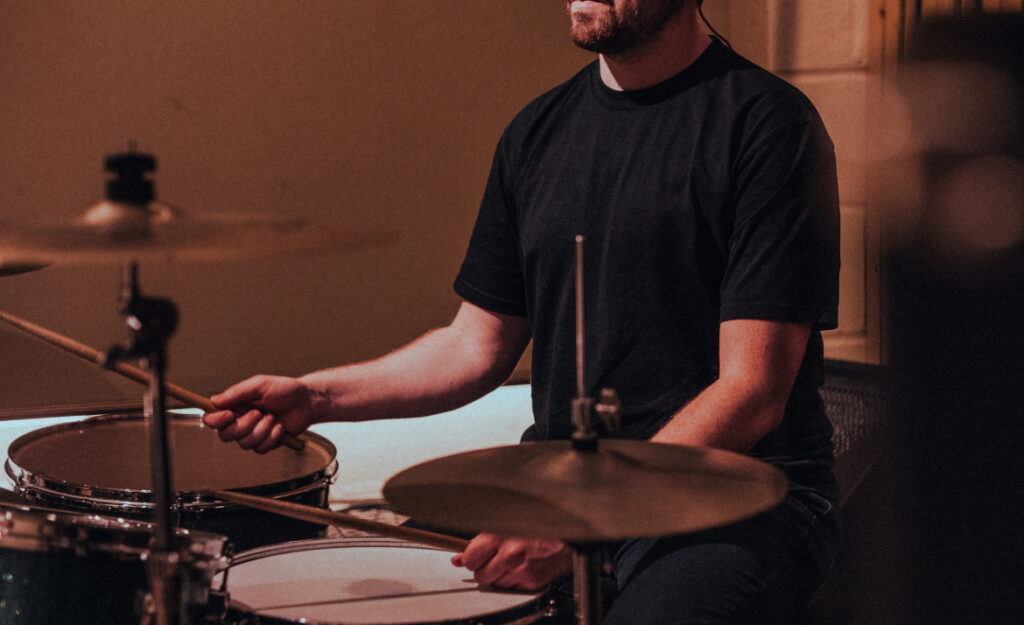
Every drummer recognizes that the groove of a great blues track can move people emotionally and physically. Getting blues drumming right unlocks a driving, soulful energy that few styles match.
Blues drumming matters because it forms the heartbeat of countless songs, adding subtle mood and texture. It’s also essential training for musical sensitivity, touch, and learning musical conversation.
This article offers a clear breakdown of blues drumming essentials, the unique qualities that define its feel, and step-by-step approaches any drummer can integrate into daily practice.
Building the Foundation: Time, Touch, and Groove
A consistent groove and relaxed time distinguish authentic blues drumming. Focusing on feel and subtle dynamic changes gives every bar of blues a timeless foundation.
Exploring basic patterns, drummers begin to hear how micro-timing and synchronized accents make simple rhythms compelling. These skills set up every other blues drumming element.
Microtiming and Human Pulse
In blues drumming, slight behind-the-beat placement on snare or hi-hat creates laid-back pocket sensation. This pulse remains steady but is never rigid or robotic.
Practicing with a metronome then playing just slightly behind it lets drummers internalize this essential shuffle characteristic, fueling an organic, toe-tapping flow.
Dynamic Control and Nuance
Dynamic variety gives blues its storytelling power. Soft ghost notes and gentle hi-hat openings invite the listener closer, while rimshots kick up intensity during solos.
Drummers adjust stick height and grip to deliver these shifts naturally, building expressive control into every pattern learned during blues drumming sessions.
Essential Blues Grooves Break Down the Core Elements
Essential blues grooves teach the interplay between shuffle, swing and straight feels. Mastering these patterns deepens a drummer’s blues drumming vocabulary right away.
Straight Blues and Texas Shuffle
Straight blues grooves stay tight and driving. Right hand rides hats or the ride cymbal, while accents sit squarely over the snare.
Texas shuffle introduces triplet fills and stuttering hi-hat patterns. This approach pushes the feel forward, making each bar lively without rushing tempo.
- Practice playing slow straight grooves with drums and sticks only, aiming for even subdivision and tight snare hits throughout short verses.
- Switch to Texas shuffle. In this style, keep a triplet swinging pattern with the snare and lay heavy beats on the kick every first and third note of each triplet.
- Use the metronome at half-tempo to identify exactly where the 1 and 3 lay in the measure. This helps internalize pocket for both straight and shuffle feels.
- Watch performances by blues legends, observing their hands and feet. Most learn visually in blues drumming, so copying approach and energy refines your own groove.
Combining both straight and shuffle grooves gives your blues drumming an adaptable, dynamic quality, useful for jams or solo work alike.
Urban Blues and Swing Adaptation
Urban blues groove brings in a jazz-type ride pattern, using ride bell and feathered bass drum for bounce.
Swing adaptations add light syncopation to the snare, propelling the groove with small pushes in the pattern.
- Start with simple ride jazz grooves before layering in blues shuffle hi-hat patterns and gentle feathering on the bass drum for added warmth under the whole band.
- Add soft buzz rolls to the snare every bar or two, increasing the texture without disrupting the core feel of your blues drumming.
- Alternate between cross-stick snare and rimshots during solo sections, highlighting phrasing choices for singers or lead guitars.
- Stamp heel to ground subtly while playing. It helps control swing tempo and makes the groove physically tangible for the rest of the group.
The swing feel lets drummers transition seamlessly between classic blues and jazz ensembles, maximizing versatility and expressive options with minimal changes.
Translating Patterns: Real Band Settings
Every blues drummer eventually moves from practice room to live settings. Translating these patterns with confidence requires attentive listening and readiness to shift groove instantly.
Reliable blues drumming adapts patterns to the volume and energy of every band lineup, meeting guitarists and bassists right where they are in the moment.
Supporting the Soloist in Twelve-Bar Blues
Drummers follow the lead instrument during solos. Dynamics drop to support vocal phrasing, or rise for expressive guitar licks and thrilling climax moments.
Small stick clicks or brushing add color without overpowering the soloist, keeping the groove strong but subtle.
Locking With Bass Players and Rhythm Sections
Bass and drums intertwine to form the engine of the blues rhythm section. Well-placed kick drum notes reinforce bass line accents in each phrase.
Drummers communicate through eye contact and physical cues, adjusting groove and tempo based on interaction within the rhythm section.
Gear and Accessories for Blues Drummers
Choice of drum gear dramatically affects a drummer’s blues drumming sound. Each element, from snare drum type to stick choice, changes how authentic and musical the groove feels.
This table details key gear for common blues setups, letting players match their preferences to styles quickly and easily.
| Category | Product | Description |
|---|---|---|
| Snare Drum | Ludwig Black Beauty | Warm, sensitive sound; perfect for dynamic, expressive blues playing |
| Cymbals | Zildjian K Dark Ride | Complex, smoky ride tones that respond well to different stick approaches |
| Sticks | Vic Firth 5A | Standard size for control with both light and driving shuffles |
| Practice App | Pro Metronome | Customizable subdivisions and tempo tracking for locked-in swing practice |
| Brushes | Regal Tip Wire Brushes | Flexible wires make soft playing feel sensitive but still articulate each accent well |
This variety in accessories lets every blues drumming player refine their signature sound in the studio, at gigs, or during home practice sessions.
The Role of Fills, Breaks, and Improvisation
Fills and breaks in blues drumming aren’t only technical showcases—they’re tools for storytelling, setting up transitions, and responding organically to band energy or audience cue.
Short Fills for Song Structure
Short fills mark section changes without stealing focus. Drummers use muted rolls or a brief tom run to build subtle drama between choruses and verses, never crowding the groove.
Landing perfectly on the 1 after fills gives every transition in blues drumming its sense of inevitability and happiness.
Improvising Tastefully in Live Jams
Improvisation remains rooted in the groove. Adding too many notes can disrupt the underlying feel, so restraint is key even in spontaneous blues drumming situations.
Small dynamic swells or offbeat snare accents offer creative space. Experimenting during rehearsals strengthens confidence on stage and sharpens blues instincts for the next jam.
Classic Turnaround Patterns and Traditional Endings
Turnarounds at bar 12 cue the band for a new verse or signal song endings. Consistent, well-known phrases make every change clear for soloists and rhythm players alike.
Practicing iconic blues turnarounds ensures these transitions always feel tight, authentic, and unmistakably rooted in the genre’s language.
Connecting fills, improvisation, and turnarounds elevates every player’s presence, making blues drumming grooves continually engaging and interactive—not just repetitive.
Interacting with Singers, Guitars, and Audience Energy
Blues drumming grows beyond technical skill when drummers tune into the broader musical environment, actively responding to vocalists, guitar leads, and audience mood shifts on the fly.
Adapting Volume and Intensity Mid-Set
Lowering volume lets singers shine during lyrical sections, building to a crescendo only during guitar or harmonica solos when energy lifts naturally across the band.
Drummers shape audience attention with these choices, setting up emotional climaxes or playful exchanges with soloists and crowd alike.
Call-and-Response and Musical Dialogue
Call-and-response patterns between drums, singers, and guitars echo the blues’ roots. A snare fill answers a lyric; a hi-hat flourish mirrors a guitar pick slide.
Building real conversation through these cues cements blues drumming as a truly collaborative art, uniting all members of the band and audience in the groove.
Reading Audience and Band Cues
Tuning in to small crowd reactions—foot taps, claps, or cheers—guides when to hold back or launch a surprise rhythmic flourish.
Reacting with micro-adjustments turns every show into a memorable, living blues drumming experience, far beyond the written notes or planned setlist.
Staying alert and interactive throughout performances amplifies the emotional connection between band and audience, the true secret to lasting musical impact in blues drumming.
Challenges, Adaptation, and Further Exploration in Blues Drumming
Mistakes like dragging tempo or overplaying fills challenge every blues drumming student. Honest listening and regular feedback help root out these habits before they stick.
Sometimes unfamiliar band settings demand entirely new grooves or tempos. Quick adaptation becomes critical, requiring both technical flexibility and fearless trust in musical instincts.
Growth in blues drumming means revisiting foundational patterns, studying historical recordings, and always keeping one ear tuned for new voices to learn from and be inspired by.
Refining Your Approach to Blues Drumming
Learning the essentials of blues drumming opens creative, expressive freedom—whether gigging, jamming, or practicing at home. Foundational grooves, dynamic touch, and personal interpretation fuel rhythmic conversations on any stage.
This style sharpens all the senses: attentive listening, responsive dynamics, and communication on and off the drum kit. Blues drumming roots every drummer more deeply in the language of creative musical support.
With continued practice, reflection, and openness to new influences, drummers keep their blues drumming journey vibrant and ever-evolving—remaining connected to both tradition and innovation.