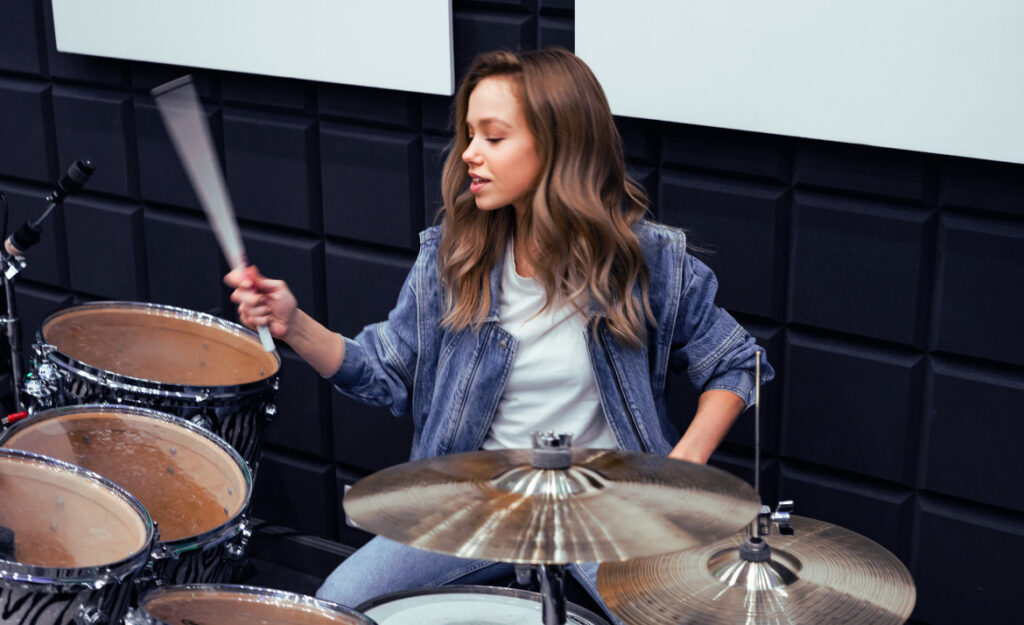
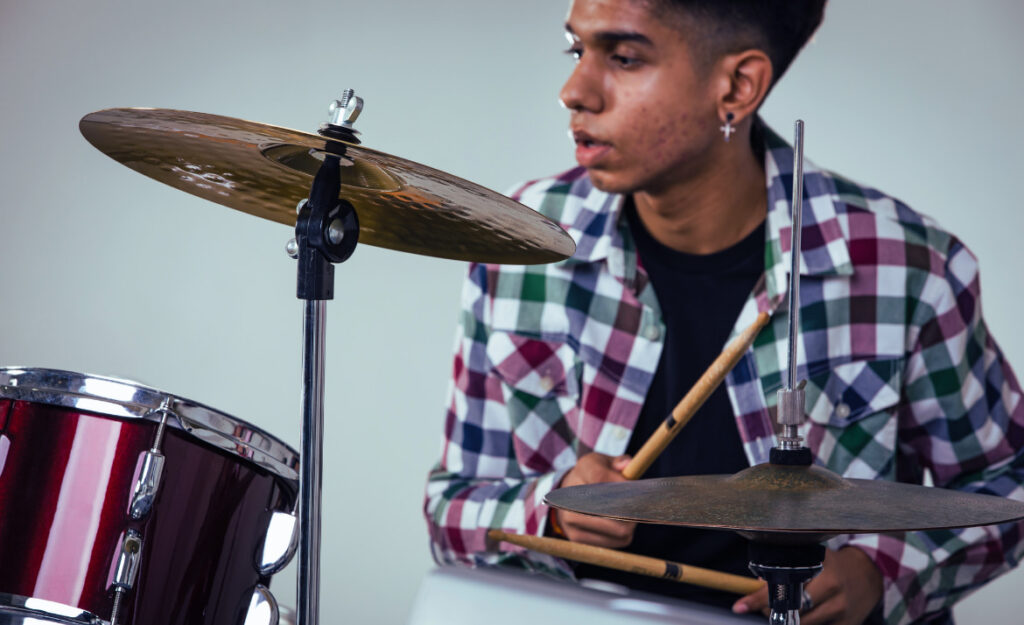
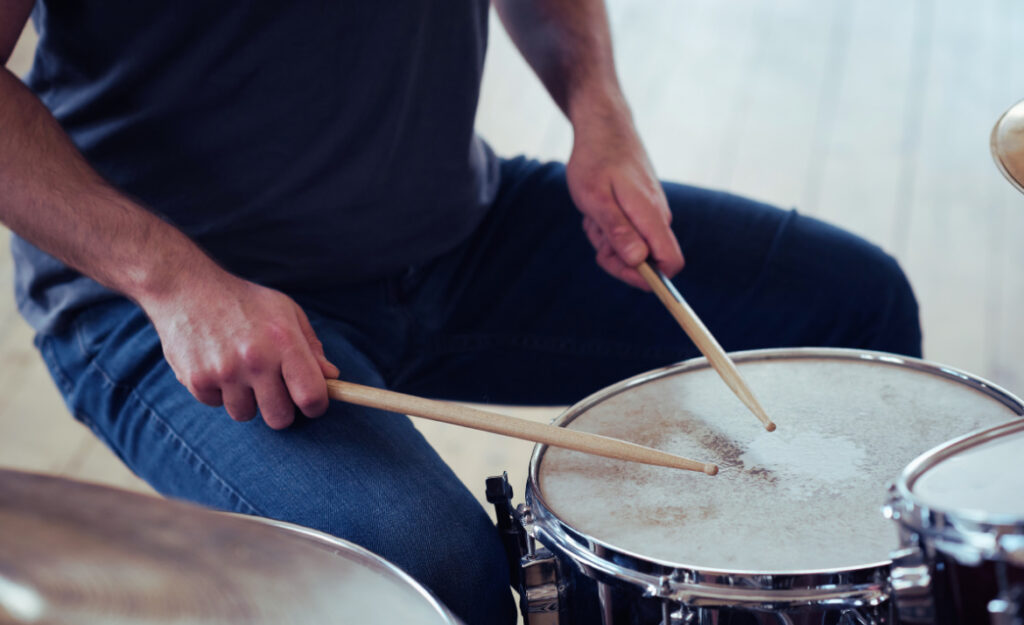
Sitting at a practice kit, many drummers recognize the challenge of playing fast and clean. Moments of frustration grow when hand speed and control fall short of musical ideas. Drum exercises can change that.
Strengthening speed and control changes what you can play, opens phrasing options, and builds confidence. Focused drum exercises address weaknesses while sharpening the core of your technique and musicality.
This article details proven methods for building speed and control through drum exercises, practical routines, tools, and frameworks. You’ll find actionable approaches, comparisons, and tips for continued progress at any skill level.
Creating Foundational Coordination Through Targeted Drum Drills
Drummers develop strong coordination when using focused drum exercises daily. You’ll see tangible improvements as you refine your stick movement and wrist consistency step-by-step.
Routines that isolate and repeat hands or feet promote muscle memory. Careful repetition on the practice pad sharpens both timing and strength without risk of injury.
Rudimental Repetition Strategies
Applying classic drum rudiments like singles, doubles, and paradiddles reinforces essential hand independence. These exercises, performed slowly at first, allow your hands to synchronize precisely.
Gradually increasing the pace in short bursts, you can regularly revisit rudiments to feel improvements in both endurance and dynamic control. This method also helps address technical sticking flaws.
Foot Control Development
Focusing on foot-heavy exercises, like heel-down and heel-up bass drum strokes, improves the balance between hands and feet. Layering hi-hat patterns takes your overall coordination further.
Sustained metronome practice keeps your time steady during demanding patterns. With consistent everyday application, both your left and right foot will gradually respond with equal strength.
Expanding Speed with Incremental Practice Routines
Speed increases steadily through structured repetition, never overnight. Committing to systematic drum exercises will build lasting results while keeping fatigue and frustration minimal.
Tempo Ladders for Gradual Growth
Start a drum exercise at a comfortable speed, then bump up the metronome a few BPM every few repetitions. Stay conscious of sticking clarity at every increment.
Stop immediately if accuracy slips, returning to the previous tempo. This laddered approach ensures you only move faster when your technique stays even and consistent.
- Track progress daily in a practice journal to notice trends in speed improvement using this ladder technique.
- Choose one drum exercise at a time and master it thoroughly before layering new ones onto your routine.
- Vary hand and foot combinations for well-rounded development, minimizing plateau in one aspect of your drumming.
- Use a digital metronome with tap-tempo to chart realistic increases and avoid jumping to unrealistic speeds too soon.
- Listen critically to each repetition, noting tension in hands or forearms before changing tempos.
Keeping each session focused, your goal shifts from chasing top speeds to mastering each step with purpose and intention. Consistency leads to real results.
Dynamic Variations for Speed Control
Speed alone won’t sound musical unless paired with control over volume and touch. Practice drum exercises at soft and loud dynamics, alternating each measure for full control.
This approach teaches you to relax as speed rises and forces your muscles to remain responsive instead of tense. Dynamics and speed grow together for expressive, controlled playing.
- Include accents on alternating beats to exercise delicate and strong muscles within each hand.
- Push time, then relax it, experimenting with micro-variations without losing the pulse of the rhythm.
- Switch to brushes or rods for quieter practice, challenging your speed without resorting to force or volume.
- Apply creative rests and ghost notes to increase coordination and challenge both mindset and muscle memory.
- Use various stick grips to test articulation and endurance under changing speed and dynamic conditions.
Blending these elements ensures true progress on every level, coupling speed with nuance and control during drum exercises of any type.
Real-Life Performance Benefits of Focused Drum Exercises
Implementing specific drum exercises does more than improve isolated skills; noticeable changes unfold during rehearsals and gigs as well.
Improved hand-to-foot interplay and dynamic clarity make live transitions smoother. Blend the following techniques with your everyday playing for lasting on-stage confidence.
Live Band Scenarios Enhanced by Advanced Speed
Fast and controlled drumming translates to effortless fills and unshakable groove under pressure, especially during uptempo sections or when a song calls for bold transitions.
As your muscle memory deepens through daily drum exercises, you’ll calmly execute rolls, flam accents, and more, holding the band together even in complex moments.
Recording Quality Impact
Precise drum exercises directly impact recording sessions, where microphones pick up every flaw. Steady speed and controlled dynamics make edits easy and reduce the need for retakes.
Consistent practice of ghost notes and rimshot exercises ensures ghosted and accented strokes come through clearly, adding professional polish to every track you record.
Comparing Practice Tools That Boost Speed and Control
Practice technology and products make drum exercises more productive. These tools support daily development by allowing creative practice, accurate timing, and measurable improvement at home or on the go.
The table below highlights current practice solutions available for drummers pursuing better speed, control, and regular feedback.
| Product | Type | Core Benefit |
|---|---|---|
| Drumeo | Online Platform | Guided drum exercises, real-time video feedback |
| Drum Pad Machine | App | Beat-making plus drum exercise patterns, tempo control |
| Vic Firth 12″ Double-Sided Practice Pad | Physical Gear | Quiet surface, real-feel rebound for precise hand drills |
| Tama Rhythm Watch RW200 | Digital Metronome | Tempo memory, custom subdivisions for steady drum exercises |
| Soundbrenner Pulse | Wearable Metronome | Vibrating tempo guidance, silent practice mode |
Each tool strengths a specific aspect of your practice routine, so combining digital and analog devices creates a versatile environment for speed and control development.
Drum Exercise Variations for Different Learning Goals
Effective drum exercises adapt easily for speed, control, or creative expression. Exploring variations ensures your practice stays engaging and aligned with specific progress goals.
Hand Technique Innovation
Try switching between traditional and matched grip to challenge coordination. Alternate single-stroke and double-stroke rolls; the contrast strengthens core sticking technique.
Rotate through different hand positions, practicing stick heights and finger control to add subtle nuances to your speed-builder routines.
Accent Patterns for Expressive Playing
Layer accents across toms, snare, and cymbals during drum exercises to increase musical awareness. Build patterns that combine ghost notes and loud accents to fine-tune control.
Use this diversification to break monotony during practice and simulate more realistic musical environments.
Genre-Specific Adaptations
Bring jazz swing, funk syncopation, or metal blast beats into your drum exercises for genre-specific speed and control improvement. Adapt sticking and dynamic requirements as you switch styles.
This approach prepares you for real-life versatility and challenges attention to detail across musical traditions.
Exploring these variations keeps growth steady, as each technique unlocks a fresh layer of skill within the drum exercises structure.
Integrating Speed and Control into Holistic Practice Sessions
Drum exercises provide the greatest benefit when woven into rehearsals, group sessions, or learning plans. Adapting each exercise increases motivation and builds consistency across contexts.
Daily Warm-Up Routines with Purpose
Start every practice session with familiar drum exercises to loosen up joints and focus your mind. Rotate between single and double-stroke exercises according to specific challenges.
Consistency in warm-ups promotes healthy technique. It also sets the mental state for focused and productive music engagement.
Ensemble Play and Timing
Apply challenging drum exercises to band rehearsals. Choose sticking patterns that stretch everyone’s coordination and lock in time with metronome support for group accuracy.
Discuss successful techniques with bandmates to reinforce ensemble strengths and target weaknesses together.
Learning Pathways with Structured Feedback
Record and listen to yourself playing drum exercises, noting repeated errors or improvements. Share clips with teachers or peers for nuanced feedback on your technique and speed.
Adapting your goals as progress appears, you’ll sustain motivation and keep the learning curve steep but manageable each week.
Linking these practice elements supports broad skill-building, transforming isolated drum exercises into an integrated approach that benefits your drumming journey as a whole.
Overcoming Barriers and Continuing Growth in Drum Technique
Building speed and control with drum exercises means progressing despite challenges like fatigue, slow improvement, or motivation drops. Addressing these directly maintains momentum during long-term practice.
Pain or tension signals the need to rest or adjust form immediately, not just push harder. Avoiding injury keeps your technique and enthusiasm intact for years to come.
Plateaus should prompt a change in routine, switching up drum exercises or exploring new styles to reengage your curiosity and prevent burnout while still advancing vital skills.
Recognizing Lasting Value in Drum Exercise Practice
Focused drum exercises transform drummers by sharpening technique, control, and speed. These consistent habits pay off in every rehearsal, lesson, and live show.
Deliberate practice not only advances technical skill, but also deepens your musical intuition. Small daily victories in speed and control build lasting confidence behind the kit over time.
Keep exploring subtle practice variations, adopt new tools, and stay intentional about progress. Your dedication to drum exercises will shape a rewarding musical future, every step of the way.