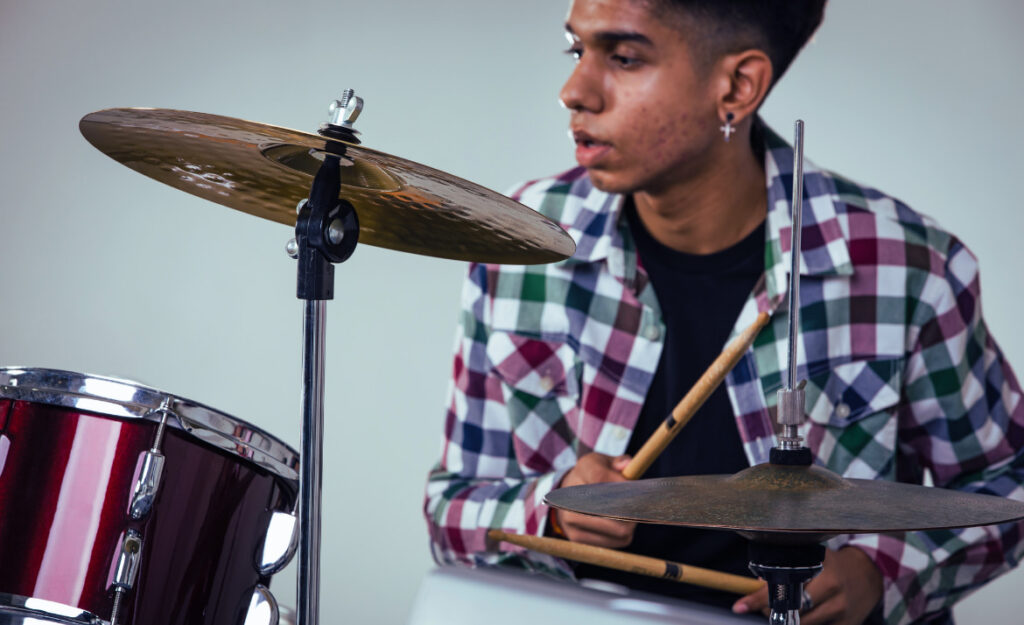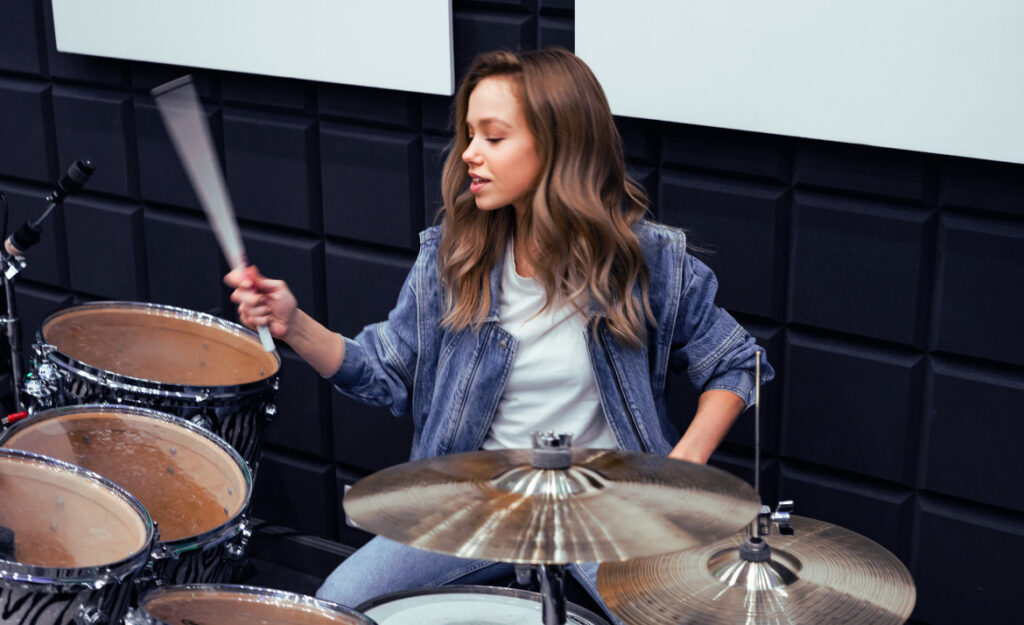

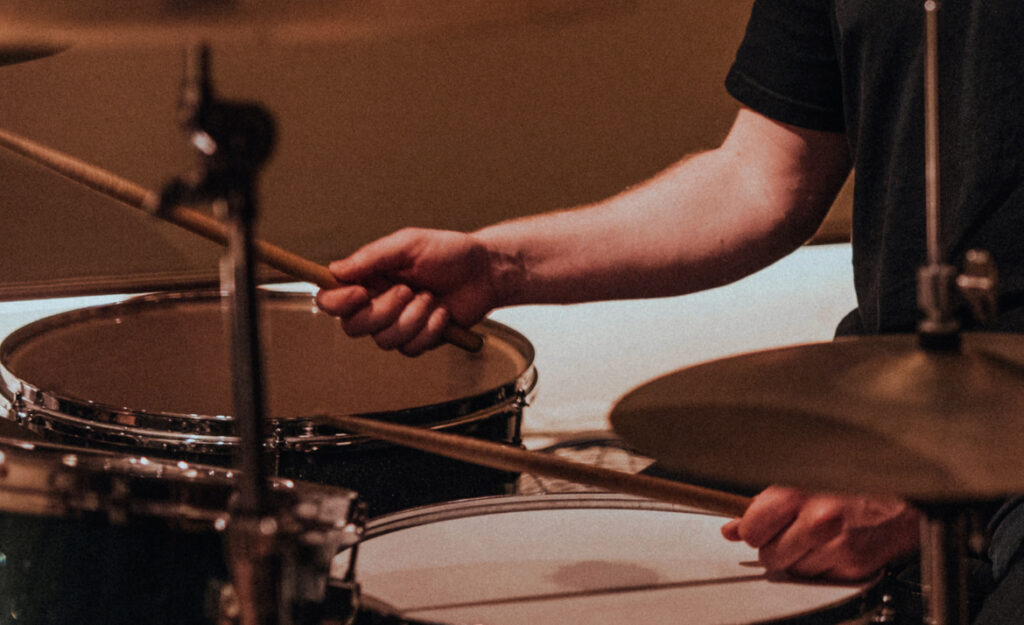
Picture a drummer who’s always improving—fluid, controlled, and creative. That’s what happens when drum rudiments start making sense in your practice and performance routines.
Learning to internalize drum rudiments shapes your rhythmic vocabulary, setting the stage for clear technique. Every style, groove, and fill is built on strong rudimental foundations.
This article explains how drum rudiments function, why they’re essential, and exactly how you can integrate them for lifelong progress behind the drum kit.
Developing Consistent Technique with Drum Rudiments
Building technique through dedicated rudiment practice gives drummers reliable speed, control, and dynamic range. Drummers notice smoother transitions and steadier timing as rudiments become muscle memory.
Instead of just memorizing patterns, repeat drum rudiments with focused intent. This approach helps your hands develop healthy habits you can always rely on in any musical context.
Focusing on Quality Over Quantity
Many beginners rush to learn new drum rudiments, hoping for fast improvement. It’s better to slow down and perfect each stroke for long-term gains.
Each repetition requires full attention to grip, rebound, and spacing. When every note is clear, the result is stronger technique and more consistent sound.
Establishing a Daily Rudiment Routine
Small, frequent sessions help drum rudiments become automatic. Even ten daily minutes, rotating different patterns, can yield big improvements over weeks and months.
Regular schedules matter more than marathon practices. Pick a handful of rudiments each session and vary the tempo to keep engagement and challenge high.
Diversifying Drum Rudiment Practice Approaches
Bringing variety into drum rudiment study keeps both hands sharp and the mind fresh. New approaches unveil fresh challenge and help stave off boredom or creative blocks.
Applying Rudiments to Grooves
The best progress happens when drum rudiments move off the pad and onto the drum set. Simple groove variations gain depth from rudimental vocabulary.
- Play single and double strokes as hi-hat lines within basic rock beats, keeping the core groove steady for developing true coordination.
- Orchestrate paradiddles around the toms as a fill, making each note land clean while shifting accents. This builds both control and musical ideas.
- Use flams within snare rolls to mimic ghost notes or orchestral textures. Each articulation stands out better with slow, deliberate practice first.
- Incorporate drag rudiments as rhythmic embellishments in funk or jazz. Play them quietly for subtlety, or loud to cut through the band.
Groove-based rudiment work bridges the gap between exercise and music, making every practice more musical and relevant to real-world playing.
Switching Surfaces and Dynamics
Drummers can transform their rudimental progress by practicing on different surfaces: pad, snare, or even pillows for added resistance.
- Switch from a bouncy practice pad to a muted snare drum to build stick control under diverse rebound conditions.
- Alternate between very soft and loud strokes, focusing on keeping rudiments even no matter the stick height or volume needed in real music.
- Challenge yourself on a pillow. Reduced rebound forces your hands to do more work, building endurance and grip strength.
- Experiment with different stick types or even brushes to develop nuanced responses from each surface.
This adaptable practice helps rudiments transfer easily from home studio to rehearsal, stage, or recording environment.
Transforming Drumming Vocabulary with Rudiment Applications
Every genre draws on drum rudiments, from classic rock fills to jazz comping or marching band precision. Strong rudimental fluency unlocks creativity by giving you more rhythmic choices.
Drum rudiments never stay as technical warmups. They evolve into grooves, fills, and accents that define your musical personality across songs and genres.
Groove Enhancement in Contemporary Styles
Rock drummers reinterpret basic paradiddles on the hi-hat to create unique, syncopated backbeats that surprise listeners. Each note becomes a springboard for stylistic flair.
Funk and gospel players embed six-stroke rolls between kick and snare accents, shaping fluid, expressive solos. The seamless import of rudiments keeps grooves inventive and energetic.
Orchestral and Jazz Textures
Jazz musicians use flams and drags on the snare to create the illusion of layered rhythms and textures, elevating comping beyond basic timekeeping.
Orchestral percussionists rely on expertly placed rudiments to make rolls, crescendos, and dynamic changes feel effortless, supporting ensembles with clarity and precision.
Comparing Tools and Platforms for Learning Drum Rudiments
Technology makes it easy to access instruction for drum rudiments at any level or style. Today’s apps and online tools offer tutorials, play-alongs, and performance tracking—all from your mobile device.
The table below contrasts popular drum rudiment resources available to drummers aiming to sharpen their skills across a range of methods and budgets.
| Platform or App | Focus & Standout Feature | Platform Type |
|---|---|---|
| Vic Firth Rudiment App | Clear video demos, audio play-alongs, free resource for 40 essential drum rudiments | iOS, Android |
| Drumeo | Progressive lessons with professional drummers, personalized feedback, extensive rudiment course library | Web, iOS, Android |
| Melodics | Step-by-step exercises for coordination and timing, instant feedback, fun interface | PC, Mac, iOS |
| Paul Jennings Drum Rudiments | Modern video breakdowns and practice tips for all primary and hybrid rudiments | YouTube |
| Modern Drummer Lessons | In-depth technique clinics and rudiment demonstration videos | Web |
Access to diverse, reliable drum rudiment tools ensures that every drummer can find the resource that fits their learning method and musical goals.
Breaking Down Rudiments Into Practical Subcategories
Drum rudiments aren’t just long lists—they’re best understood by type: singles, doubles, flams, drags, and hybrids all contribute their own flavor to your playing style.
Single Stroke Rudiments for Foundation
Single stroke rudiments train your hands for even, alternating movement. Practicing single strokes at different tempos sharpens attack and flow, key for all genres.
Fluid singles transfer directly to real-world patterns, making basic fills, snare comps, and ride grooves more consistent and dynamic during live playing situations.
Flam and Drag Variations
Flams introduce a layered sound to each note. They stand out in solos, accents, and creative orchestration, deepening the expressive range of any fill or groove.
Drags add complexity and anticipation. Carefully practiced, drags connect phrases and deliver subtlety, especially in delicate brushwork or high-speed rudimental solos.
Hybrid Rudiments for Advanced Play
Hybrid drum rudiments mix classic patterns, pushing coordination and musicality. Elements like the Swiss Army Triplet blend multiple motions, challenging drummers to think and play outside the usual box.
Hybrid practice broadens control and opens new doors for unique, personalized phrasing that sets advanced drummers apart on stage and in recordings.
Grouping rudiments by type clarifies where extra focus pays off, emphasizing growth in both creative possibilities and technical confidence at every level.
Connecting Drum Rudiments to Broader Musical Development
Drum rudiments play a central role in ensemble, band rehearsals, and even composing. Their application strengthens listening and interaction skills, extending well beyond solo practice.
Integrating Rudiments Into Ensemble Play
Orchestrating drum rudiments across the kit—between snare, toms, and cymbals—teaches spatial awareness and groove placement with other musicians, boosting ensemble tightness.
Creative use of paradiddles and drags enriches fills and subtle transitions, keeping group arrangements lively without overwhelming the song structure or other players.
Solo Development and Improvisation
In solo settings, drum rudiments drive dynamic storytelling. Varying pattern speed, dynamics, and instrumentation takes basic phrases and transforms them into compelling personal statements.
Spatial use and tempo shifts elevate even simple rudimental motives into memorable musical moments that stand out in a concert or competition setting.
Audition and Education Readiness
Many music educators and audition panels listen for clean, controlled drum rudiments as part of the selection process for bands or performance programs.
Fluent rudiment execution signals preparedness and the discipline needed for broader musical success in multiple environments, from rehearsal room to stage to studio.
Broader integration of rudiments helps you listen, adapt, and communicate musically, building confidence in both structured settings and spontaneous improvisation.
Troubleshooting Common Sticking Points with Drum Rudiments
Challenges in drum rudiment practice show up as uneven notes, tension, or difficulty with transitions between patterns. These barriers can be overcome with some careful strategies.
Focusing on slow tempos reveals technical flaws. Recording yourself, or using a mirror, makes it easier to see and hear sticky spots. This feedback loop fuels improvement.
Incorporating journal notes about which rudiments challenge you most can clarify progress. Tracking what changes daily creates a realistic map for future sessions.
Conclusion: Building Lifelong Skills with Drum Rudiments
Every drummer, regardless of experience, benefits from dedicated time with drum rudiments. They offer endless room for challenge, refinement, and creative growth year after year.
The skills refined through drum rudiments deliver control, speed, dynamic range, and musical confidence that translate to every style and situation drummers encounter.
Continual practice and curiosity lead to a style that’s both personal and adaptable, letting any drummer play for enjoyment, artistry, and musical collaboration well into the future.