The snap of a drumstick mid-song can jar any drummer’s confidence and momentum. Investing time in drumstick care can transform how your sticks look, feel, and sound for every gig.
Every drummer has faced that frustrating moment: a tiny crack appears, and dread sets in. Small cracks are the first warning signs. Left unchecked, they’ll spread—often at the worst time.
By reading ahead, you’ll discover practical, trusted drumstick care habits directly from experienced players. These strategies go beyond advice—they’re daily improvements that help your playing feel smoother and last longer.
Inspect and Replace: Catching Problems Before They Start
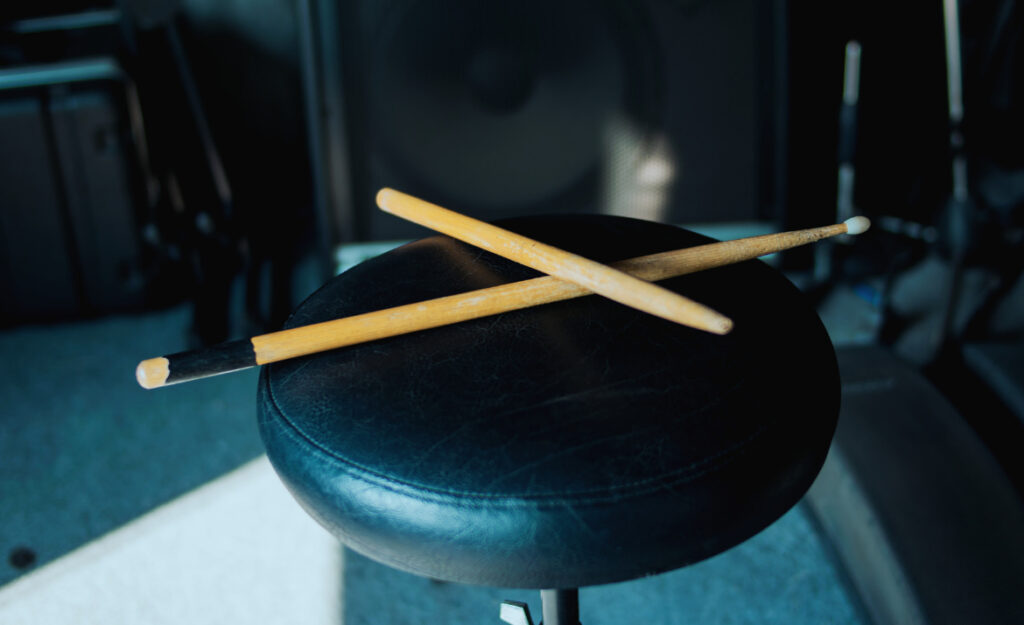
Spotting early wear and dealing with it immediately means fewer blowouts during practice or shows. Inspect sticks before each session, and swap cracked ones before the damage spreads.
Don’t wait for a stick to break onstage—check for hairline fractures every few days. Keep a backup pair within easy reach so switching mid-set is fast and stress-free.
Detecting Early Signs of Trouble
Run your thumb up the length of each drumstick. Feel for ridges or changes in texture that weren’t there the last session. These are fire alarms for future cracks.
A slight tap together—listening for a clear, solid sound—helps too. A dull thud usually means an inner crack is ready to split wider, even if it’s not visible yet.
Visual checks work best in strong light. Hold the stick and rotate it slowly, watching for tiny lines or rough patches, which signal surface-level damage or stress points.
What Drummers Say and Do
Some players keep a “retired” stick pile as reminders of past mistakes. Others label sticks for each practice, so they notice wear patterns and adjust their grip accordingly.
During a rehearsal, one drummer caught a crack thanks to a squeaking rimshot. “I just swapped it out, didn’t risk the show,” he explained, now making stick checks routine.
Learning from these habits means customizing your own check process. The main rule: if you’re unsure a stick will last, don’t let it in your bag for tomorrow’s gig.
| Inspection Method | Time to Complete | Accuracy | Recommended Frequency |
|---|---|---|---|
| Visual Light Check | 1 minute | Medium | Before each session |
| Thumb Texturing | 2 minutes | High | Once weekly |
| Sound Tap Test | 30 seconds | Medium | Before shows |
| Rotation Scan | 1 minute | Medium | After hard sessions |
| Grip Pressure Test | 1 minute | Low | When switching sticks |
Proper Storage: Shielding Drumsticks from Damage
Correct storage directly impacts drumstick life. Avoid loose bags, damp corners, and sunlight. Dry, temperature-stable conditions keep stick wood from warping or cracking.
A stick bag isn’t just for transport—it’s your first layer of protection. Make it a habit to bag your sticks immediately after every practice, never leaving them on hard floors or cold window sills.
Prepping for Storage (Daily Routine)
Wipe down sticks with a clean, dry cloth before putting them away. Remove sweat, oil, or any stick tape residue. This prevents surface moisture from seeping into wood fibers overnight.
- Select a padded stick bag to reduce friction and dings during travel. Bags that zip fully closed shield sticks from humidity swings.
- Place a small silica packet in the pocket to absorb excess moisture, especially if you practice in a basement, garage, or shared studio space.
- Store the entire bag upright, away from heaters, radiators, or uninsulated basement floors, to avoid subtle warping over weeks and months.
- If you use tape wraps, remove them every month to let sticks “breathe.” Taping over sweat can create moisture traps.
- Avoid leaving sticks in a hot car trunk after gigs—it can bake the wood and cause micro-cracks to grow fast, even overnight.
Simple routines keep drumstick care stress-free. A closed bag, dry environment, and wiped sticks pay off with consistent feel—even after months of steady play.
Humidity and Temperature Control
If you play in humid climates, invest in a dehumidifier for your practice room. Extreme swings from cold to hot dry out wood, causing checks or sudden splits.
- Use hygrometers to monitor room conditions. Consistency matters more than the exact temperature; aim for steady values all year long.
- Never store sticks next to amplifiers or in direct sunlight—these areas change temperature by the hour, stressing the stick’s grain structure.
- If you notice sticks swelling or getting sticky, reduce humidity and store them apart until the texture normalizes. Use a fan or small heater to regulate air flow.
- Keep your bag away from open windows during rainstorms to prevent the drumsticks from absorbing excess moisture overnight.
- Test different locations within your home or studio to see where sticks feel best after a week. Choose storage by results, not habit.
Storing drumsticks with intention means fewer unexpected cracks and a smoother touch, session after session.
Grip and Playing Technique: Preventing Stress at the Source
Adjusting grip and stroke technique changes how a stick bears impact. Experiment with hand placement and rebound to distribute stress and limit crack formation.
Gripping too tight creates unnecessary tension with every hit. The stick’s wood absorbs shock, but not if it’s locked in a vise grip. Relaxed, flexible hands let the stick rebound freely.
Fine-Tuning Your Approach for Longevity
An over-controlled grip tends to leave dents along the shaft and tip. Try letting the stick move naturally after a rimshot or cymbal crash—imagine it gliding like a skipping stone on water.
If you spot damage on the same part of multiple sticks, shift your usual strike zone. Mark your favorite rimshot area and rotate sticks each session to distribute wear along their length.
A simple script: “Check your grip—are your knuckles white?” Play a favorite groove at half speed, noticing how the stick sits between your thumb and finger. Loosen slightly for better control, not less.
Balancing Power and Precision
The urge to drive every accent through the head can backfire. Focus force into the drum head, not across the rim. This small adjustment takes pressure off the contact edge that starts most cracks.
If your sticks show sudden slivers or staves missing, you’re likely hitting with a glancing strike. Move your wrist, not your entire arm, to target the drum’s center. Rotate wrists after each hit to relieve tension.
Practicing smooth, circular motion helps sticks last longer. Drummers say, “If you’re tired fast, you’re doing too much work.” Find a groove where the stick rebounds on its own—less strain, fewer breaks.
Choosing the Right Drumsticks: Matching Sticks to Your Playing Style
The right stick equals fewer cracks and greater performance. Choose sticks by material, thickness, and tip shape that suit your usual music and setup. Don’t buy just by brand or label.
Softer wood like maple or hickory absorbs shock, ideal for finesse or jazz. Oak suits hard hitters but is less forgiving under stress. Synthetic blends, while tough, sacrifice the classic feel some drummers expect.
Material Differences and Their Effects
Some drummers feel the resonance of maple brings more bounce but less durability. Hickory offers a reliable middle ground: comfortable, resilient, and climate-resistant for most scenarios.
Tip design also matters. Teardrop or barrel tips reduce stress on stick ends when playing heavy cymbal patterns. Nylon-tipped sticks resist chipping but can create sharp impact lines if abused.
A realistic approach: try several stick materials during rehearsal, not just at home. Ask, “How long until I notice wear?” Choose based on how the stick’s feel matches your playing style across different days.
Comparing Sticks for Different Genres
If you play metal, thicker and denser sticks survive double-bass breakdowns. Jazz drummers lean toward slender, flexible sticks for brushwork and ride patterns. Pop and funk hover in the middle for dynamic versatility.
Studio drummers need consistency. Test pairs before recording—look for even grain, smooth lacquer, and straightness. On tours, prioritize ruggedness over subtlety; small warps mean more cracks on cold or hot stages.
A balanced stick collection covers diverse needs. Store labeled sticks by genre or gig type, then cycle through pairs to maximize lifespan and minimize surprise failures while performing.
Protective Coatings and Maintenance Products: Enhancing Durability
Simple maintenance products extend stick life. Protective waxes or light oils condition wood, filling tiny pores and repelling moisture. Practiced every few weeks, this small step supports better drumstick care results.
Clear lacquers improve grip and guard against sweat-induced cracks. Rubbed evenly from tip to butt, a finishing coat keeps sticks from picking up grime and losing their sheen during tours or long studio sessions.
Applying Waxes and Oils
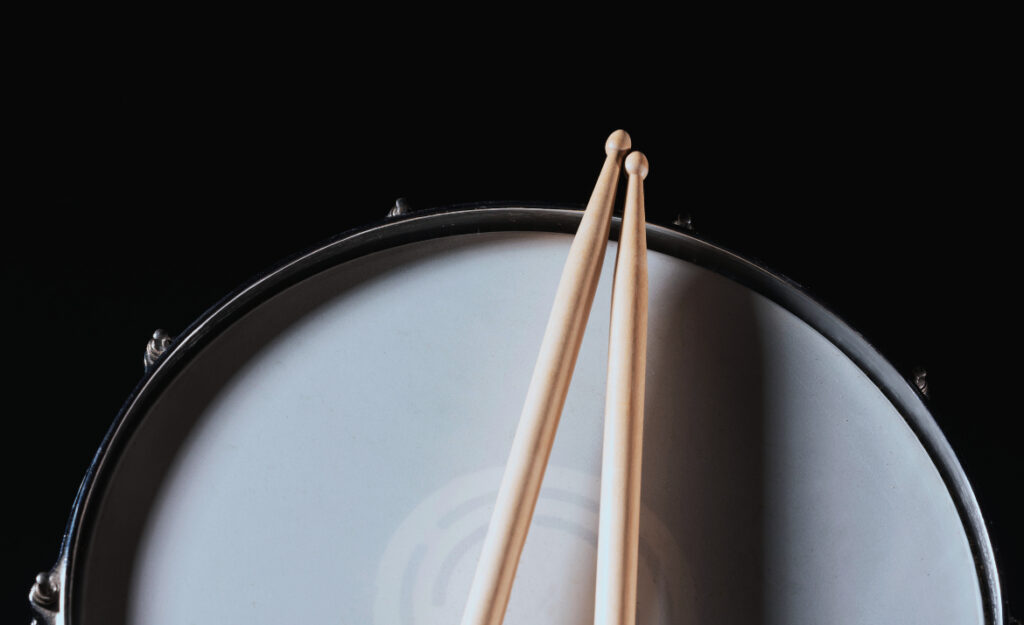
Use a soft cloth to work a small amount of wax along the entire stick. Wipe off excess after a few minutes, letting it dry for a non-slippery finish that guards surface layers.
Choose light, natural oils that won’t darken the wood or alter grip. Apply by hand, focusing on ends and any visible rough patches. Resist over-coating, as too much can make sticks sticky or heavy.
After maintenance, store coated sticks upright to air-dry for at least one hour before packing. This prevents residue buildup in your stick bag and keeps drumstick care routines mess-free and effective.
Daily Drumstick Routines: Habits That Prevent Breakdowns
Integrate small habits into practice to avoid sudden cracks. Always rotate sticks between songs or sets, distributing stress and supporting wood resilience for months to come.
End sessions by cleaning sticks and wiping down drum heads—removing debris before it embeds and creates micro-fractures. Sharpen your focus: these routines need just minutes but pay off with fewer breakdowns and more trust in your gear.
Sample Mid-Week Routine for Every Drummer
Monday: Inspect and rotate sticks. Tuesday: Lightly wipe and air-dry. Wednesday: Re-tape or clean tips as needed. Thursday: Practice with a backup pair, assessing grip comfort.
By Friday, you spot any unusual wear or cracks, letting you substitute before emergencies arise. On Saturday, test new maintenance products or try different storage spots. Sunday: Rest—and check your stick bag for the next week.
Building mindful, consistent habits turns drumstick care into a natural part of your practice, delivering smoother play and fewer onstage mishaps as a result.
Key Takeaways for Drumstick Longevity
Conscientious drumstick care means checking, cleaning, and storing sticks every session. Each step adds up to greater reliability, helping drummers avoid breaks at the worst moment.
Adapting routines for your climate, grip, and genre leads to custom solutions. From daily inspections to exploring maintenance products, every action shapes a smoother, more predictable drumming experience.
Drummers who focus on prevention rather than repair find themselves more confident and prepared, ready to enjoy every beat and keep the music going strong—one reliable pair of drumsticks at a time.