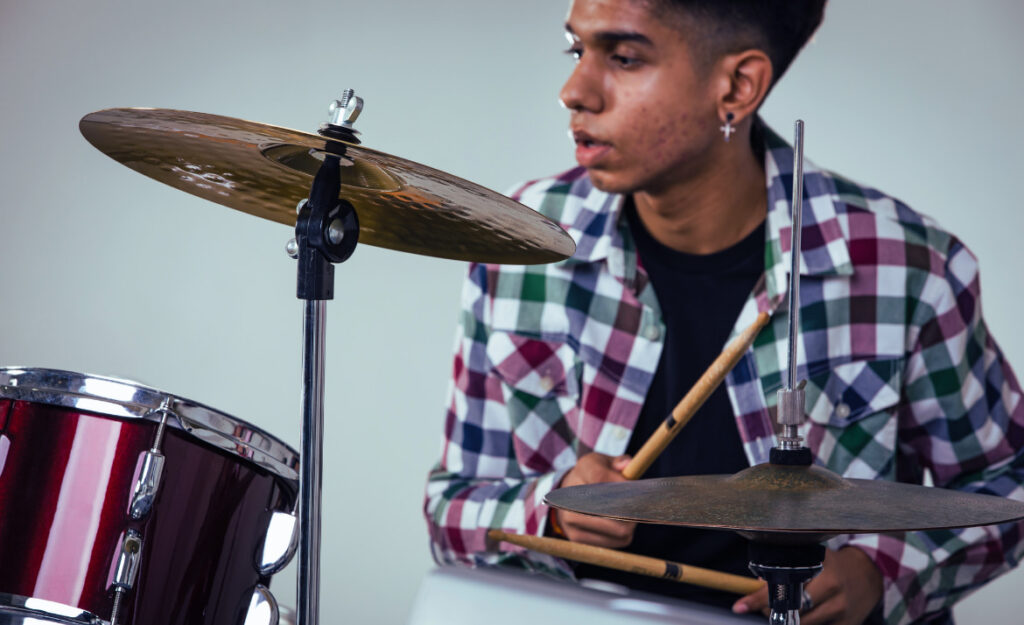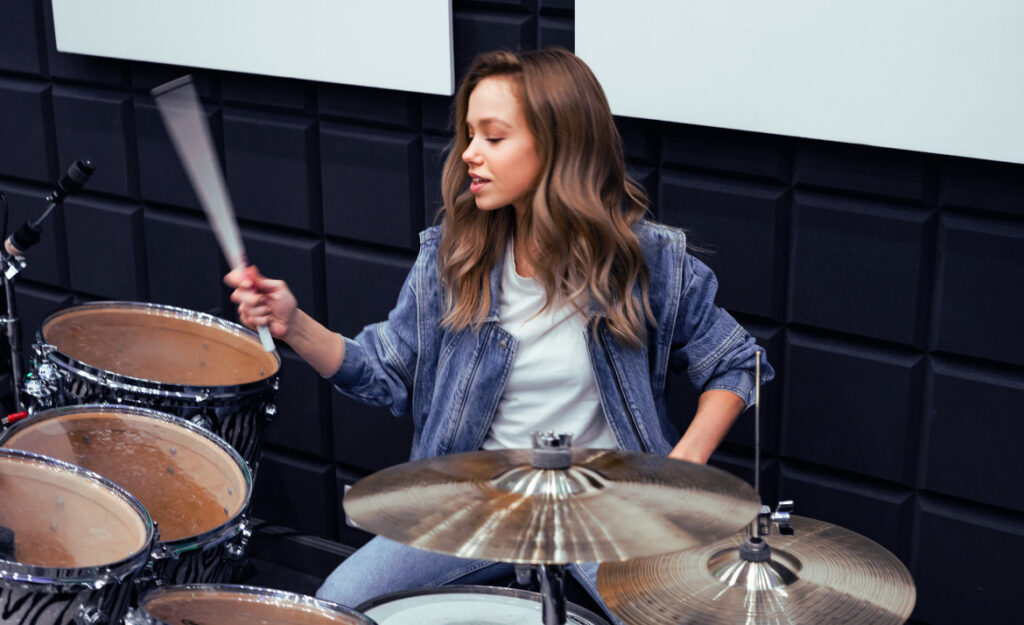
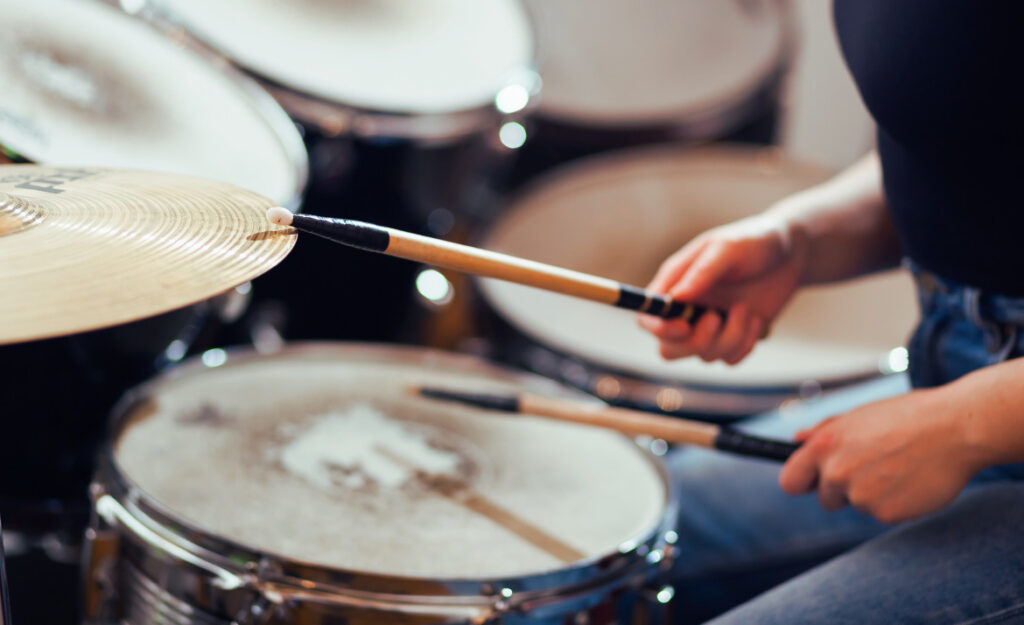
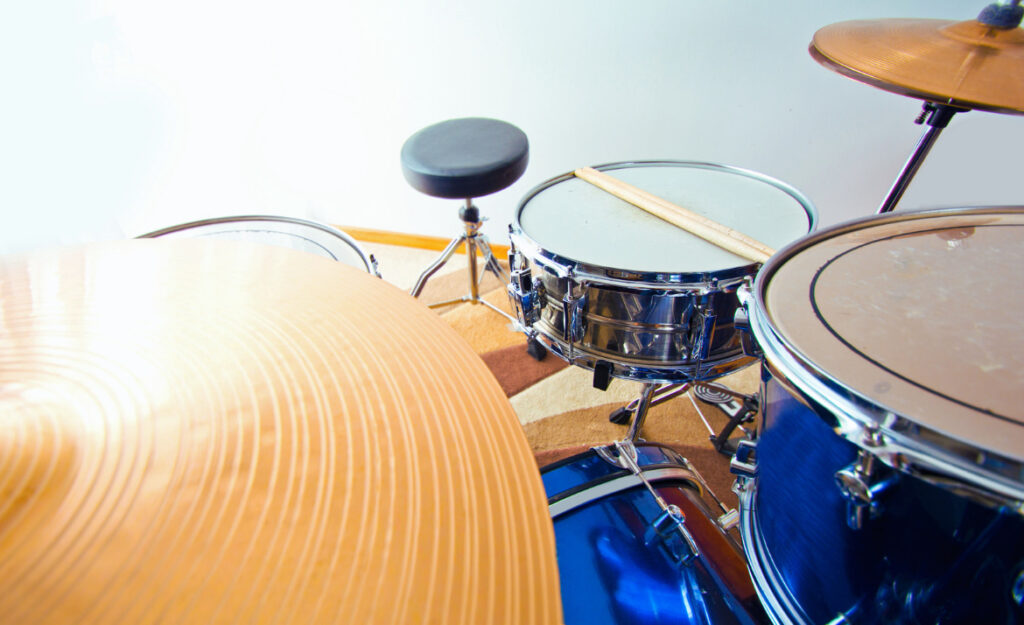
Many drummers live in close quarters where sound leaks easily through walls, creating challenges around daily drum practice. Managing quiet drum practice at home is a reality for thousands every day.
Keeping the peace with family, neighbors, or roommates makes quiet drum practice essential for sustained progress. Solutions blend technology, creativity, and smart routines for every skill level.
This article delivers clear methods to master quiet drum practice at home, compare popular tools, solve common obstacles, and keep your drumming effective without disturbing anyone.
Building a Quiet Drum Setup That Works Every Day
Getting reliable quiet drum practice at home starts with assembling a practical setup suited to your space and playing style. Careful gear choices let you play anytime.
Start by swapping out your acoustic kit for electronic drums or practice pads, which keep noise levels low while still providing realistic bounce and articulation.
Selecting the Right Practice Pad for Your Needs
A quality practice pad delivers responsive stick feel for quiet drum practice. There are many options, from classic rubber to high-tech mesh surfaces with adjustable tension.
Some models mimic the rebound of real drums, while others emphasize silence, making them excellent for extended nighttime routines without waking the household.
Integrating Electronic Drums Into Your Home Space
Electronic drum kits let you control volume using headphones and onboard settings, perfect for apartments or late-night sessions where acoustic drums would be disruptive.
Many kits offer mesh heads that feel close to acoustic toms, making quiet drum practice satisfying and supportive of proper stick technique for all levels.
Finding Volume Solutions for Every Room and Budget
Accomplishing quiet drum practice requires more than just gear – it’s about smart choices for your space, time, and surroundings.
Reducing Sound With Homemade Methods
Household objects like thick rugs, foam, and blankets under and around your kit help absorb vibrations. This easily reduces noise transfer through floors and walls.
Sealing door and window gaps blocks airborne sound leaks. Adding bookcases or thick curtains along shared walls cuts down drum noise for neighbors.
- Stack rugs and mats under drums to cushion impact noise, allowing longer quiet drum practice sessions with fewer complaints from people downstairs.
- Hang heavy curtains or moving blankets along walls to create a basic sound barrier, reducing echoes and preventing drum sounds from bouncing through the house.
- Stuff towels in door or window gaps for quick, cheap soundproofing that also doubles as insulation during colder months of home practice routines.
- Position shelves full of books or soft materials near your kit to muffle higher frequencies produced during energetic snare work or cymbal flourishes.
Simple steps help you keep quiet drum practice practical, effective, and sustainable, no matter your living arrangements or budget.
Scheduling Practice to Match Household Needs
Practicing during agreed times keeps the peace and lets you relax into drills without worrying about disruption, maximizing your focus on technique improvement and song learning.
Coordinating your routine with roommates or family leads to regular quiet drum practice windows free from interruptions, boosting consistency and motivation every week.
- Share your schedule with others so all household members anticipate practice times, preventing unpleasant surprises and promoting harmony at home.
- Take advantage of naturally loud hours, like afternoon chores, so your quiet drum practice blends into background noise more effectively.
- Pick shorter, focused sessions during sensitive times like early mornings or late evenings, so your presence remains considerate and unobtrusive.
- Try warming up on a pad or electronic kit, then save true acoustic drumming for periods when neighbors are out or the environment is noisier anyway.
Creating routines built on communication, flexibility, and smart timing helps your quiet drum practice stick for the long term.
Exploring Alternative Surfaces and Tools for Low-Volume Practice
Sometimes, quiet drum practice means using creative surfaces or specialized tools that make almost any space suitable, no matter its size or typical noise levels.
Discovering new methods for muted stick work can enhance skills and challenge you in ways traditional drums cannot.
Practicing on Pillows for Technique Improvement
Pillows offer maximum resistance with silent response, challenging your wrist and finger control by removing natural rebound. It’s perfect for focused rudiment sessions.
Practicing on pillows builds strength and fluidity, pushing your quiet drum practice beyond comfort zones and laying a foundation for fast, clean single strokes or doubles.
Incorporating Mesh Heads and Low-Volume Cymbals
Swapping out regular drum heads for mesh or silent heads turns most kits into quiet practice rigs. These drastically reduce sound but preserve stick feel and articulation nuances.
Low-volume cymbals, made from perforated metal, cut sound but retain definition. Blending these upgrades guarantees quiet drum practice without losing the muscle memory of real kit playing.
Comparing Quiet Practice Tools and Platforms Side by Side
Choosing between different quiet drum practice tools gets easier when you see their features, compatibility, and price points at a glance. This table highlights core differences of real products.
| Product | Key Feature | Typical Use |
|---|---|---|
| Roland V-Drums TD-07KV | Mesh Heads, Headphone Output | At-home, full-kit practice (quiet drum practice) |
| Evans RealFeel Practice Pad | Natural Rebound, Portability | Stick control drills in any room |
| Zildjian L80 Low Volume Cymbal Set | Perforated for Quiet Sound | Kit upgrade for realistic feel |
| Alesis Nitro Mesh Kit | Affordable Mesh Kit | Budget-friendly electronic drumming |
| Vic Firth Universal Practice Tips | Slip-On Rubber Tips | Converts any stick for low-volume play |
Each product lets you target different needs, from solo rudiments on a pad to complete quiet drum practice experiences on a full electronic kit.
Expanding Practice Routines With Low-Noise Strategies
Developing effective quiet drum practice routines often means mixing gear, apps, and surface choices together for more variety and skill development.
Adding Dynamic Control Exercises at Low Volume
Playing whisper-quiet ghost notes or tightly controlled accents keeps your stick technique sharp, even on a pad or electronic kit set to minimal volume settings.
Controlling your hands in a subtle range improves musicality, so every quiet drum practice feels like real-world gig preparation even when no one can hear you.
Rotating Surfaces for Muscle Coordination
Switch between pillows, mesh pads, and rubber surfaces during warm-ups to challenge grip, rebound awareness, and timing. This creates a complete approach to skill building without excess volume.
Rapid adjustments between surfaces build adaptability, preparing your hands for any gig or recording while keeping your quiet drum practice fresh and engaging each week.
Mixing In Audio and Backing Tracks for Engagement
Use headphones to play along with metronome apps, favorite songs, or instructional tracks during your quiet drum practice. This keeps timing sharp while eliminating any external sound.
Practicing with backing music adds real-life context, making quieter sessions more fun, focused, and motivating for drummers at every stage of learning.
Diversifying your routine ensures every quiet drum practice is productive, challenging, and enjoyable, setting the stage for breakthroughs in style and consistency.
Connecting Quiet Drum Practice to Long-Term Growth
Consistent quiet drum practice isn’t limited to bedrooms or apartments — it lays technical foundations that translate to jams, gigs, and lessons for years to come.
Building Consistency Through Daily Commitment
Practicing even fifteen minutes daily on a pad develops discipline and gradually improves muscle memory, speed, and timing, even if full kits aren’t always accessible.
Small increments of quiet drum practice stack up, powering noticeable progress and letting you handle more complex material or faster patterns whenever acoustic kits are available again.
Preparing for Band and Group Situations
Quiet repetition of ensemble songs or challenging fills on an electronic kit prepares you for loud band settings, smoothing transitions into group rehearsals or live performances.
This hands-on approach bridges the gap between solitary quiet drum practice and confident, dynamic playing with others on bigger stages.
Maintaining Focus On Technique Over Volume
Low-volume routines naturally shift your focus toward grip, stick balance, and efficiency. Clean technique built in quiet drum practice produces better sound when switched to real kits.
Muscle memory built with intention and care is reliable, giving you technical confidence that holds up under pressure or at volume in any musical genre.
Treating quiet drum practice as real training — not a compromise — leads to breakthroughs in control, style, and creativity with every session.
Resolving Sound Challenges and Improving Daily Practice Flow
Sticking with quiet drum practice comes with specific hurdles, but practical strategies quickly overcome unwanted noise and setbacks to keep your momentum strong.
Stubborn sound leaks persist if neighbors share thin walls or if windows aren’t sealed. Room modifications and sound absorption techniques relieve much of the issue for home drummers.
Switching back and forth between quiet and loud kits can expose technique flaws. Regular pad work and sound checks on acoustic drums solve consistency gaps as you grow.
Navigating interruptions from household members is common. Flexible scheduling, set short goals, and try switching practice types to match available windows on busy or crowded days.
Key Takeaways for Sustainable Quiet Drum Progress at Home
Reliable quiet drum practice builds from smart gear choices, creative DIY noise control, and effective routines, protecting your relationships and supporting ongoing musical growth.
Structured daily habits shape your discipline and accelerate progress more than sheer volume, with each session reinforcing the small details that create expressive, original drum playing.
Making quiet drum practice a consistent priority pays off every time you step behind any kit — at home, in a studio, or on stage — for years to come.