

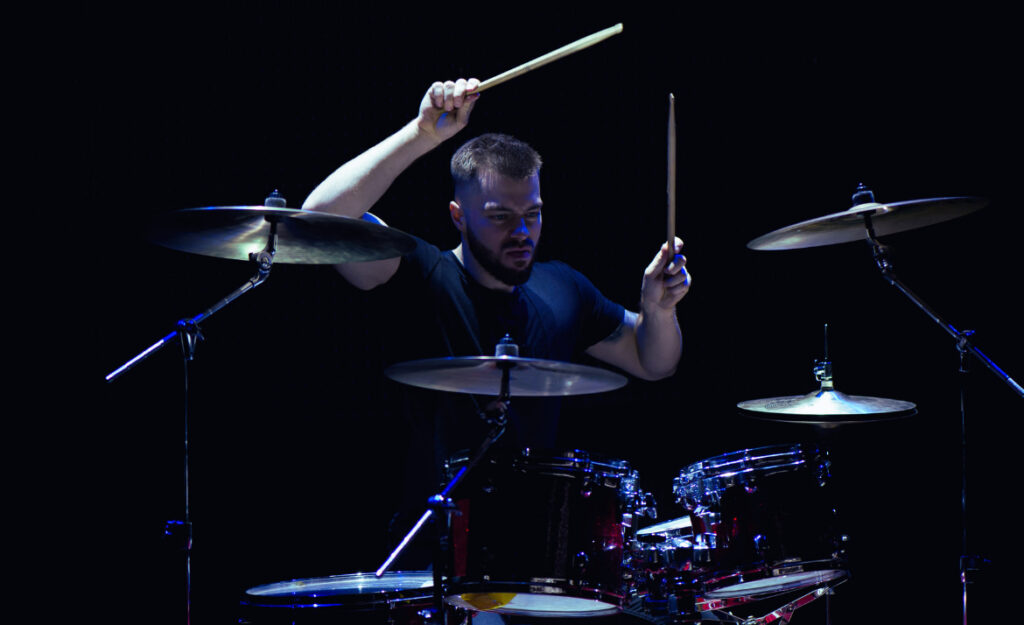
Catching a double kick groove at a concert draws you in, and curiosity sparks about what metal drumming takes behind the scenes. On the surface, its power and pace can seem daunting, but with the right strategies, anyone can progress steadily.
Even experienced drummers, who thrive in other genres, encounter unique obstacles in metal drumming’s demands for precision, speed, and stamina. The physicality and technical aspects require targeted adaptation for solid results.
This article explores speed control and endurance for metal drumming. You’ll get actionable advice to build speed, manage energy, and stay consistent—with tables, lists, and stepwise guidance you can try right away.
Speed in Metal Drumming Begins with Intentional Practice
Working on metal drumming speed means designing every session for measurable growth. It’s less about brute force, more about building control and maintaining accuracy as tempo increases.
Prioritizing consistent hand and foot motions delivers better results than pushing boundaries too fast. Focusing on even 5 BPM increments ensures that each milestone is sustainable.
Use Metronome Routines to Create Predictable Gains
Drummers can set a metronome to a challenging but playable speed. They should practice at that tempo for several minutes, locking into the rhythm and noting fatigue or mistakes.
The next step involves nudging the tempo upward by 2–5 BPM, revisiting the same exercise. This cycle—increment, stabilize, repeat—develops micro-adjustments crucial for real progress in metal drumming speed.
Stay Relaxed for Fast Repetition Without Tension
When working with blast beats or double kick, keeping muscles relaxed allows for longer, cleaner repetitions. Tension shortens practice endurance and limits achievable speed.
Catching early signs of stiffness and adjusting grip or posture helps maintain fluidity. Every few minutes, shake out your hands and feet to reset before resuming faster passages in metal drumming songs.
Enhancing Endurance with Structured Routines and Realistic Goals
Endurance in metal drumming requires more than sporadic long sessions—it’s built by training at durations slightly above your comfort zone, tracked across weeks or months.
Pacing Yourself to Prevent Early Burnout
Rather than launching into 10-minute non-stop exercises, start with three to five minutes of intense playing. Take short breaks, then extend your set gradually over time.
Frequent, manageable sessions allow your muscles and coordination to adapt, rather than risking strain from sudden overload.
- Set a timer during practice to compare your endurance improvement week by week. Noticing gradual increases boosts motivation and helps target problem areas.
- Incorporate single-stroke rolls and double bass exercises at moderate tempos first, then push yourself slightly further every few days.
- Record videos of your longest clean run to visualize differences in stamina and precision over time.
- Rest between sets using deep breathing or gentle stretching for hands, wrists, and ankles. Quick resets matter for day-to-day recovery and progress.
- Keep a log of tempo, duration, and notes for every session. Detecting plateaus helps you adjust before frustration sets in.
By layering intensity and tracking results, metal drumming endurance can be steadily boosted without risking injury or loss of motivation.
Integrating Cardiovascular and Strength Training
Outside the practice room, simple running or cycling routines expand your aerobic limits. These foundational fitness gains translate directly to longer, steadier performances at the kit.
Bodyweight exercises like squats or wrist curls bring extra stability. Metal drumming benefits from supporting these muscles, which take on repetitive stress during high-tempo sections.
- Add short cardio exercises to warm-up routines for oxygen flow and increased alertness when starting a drumming session.
- Consider mixing core exercises and grip training for improved stick control. Consistent off-kit work prevents fatigue in both hands and feet during extended metal drumming passages.
- Alternate high-intensity intervals—like sprinting—with slower activity to emulate the variable intensity of live metal drumming performances.
- Stay hydrated and properly fueled. Dehydration and poor nutrition quickly erode stamina, especially during rigorous metal drumming tours or recording projects.
- Monitor sleep patterns for proper recovery. Lack of deep rest erases physical gains and makes speed and control harder to sustain.
Connecting studio progress to broader health habits rounds out your endurance plan, making every second at the kit more productive.
Real-Life Approaches: Professional Drummers Share Their Speed and Endurance Tips
Learning how established players build their metal drumming speed and stamina encourages new ideas and sharper practice. Professionals seek both daily discipline and creative adaptation.
They use structured warm-ups, specific drills, and mental cues to maintain high performance, especially during physically intense parts of their sets.
Early Strategies for New Players: What Actually Works
New metal drumming students commonly use a ’10-10-5′ pyramid: ten minutes of slow tempos, ten at your current limit, and five at hyper-speed, all with full attention.
Breaking sessions into sections like this builds consistency over time, while keeping energy up and minimizing discouragement or fatigue in early training.
Adapting Under Pressure: Onstage and in the Studio
When playing live, seasoned drummers use mental focus—counting breaths or visualizing grip relaxation between songs. On-stage adrenaline can drain stamina without routines like these.
Studio pros time their toughest sections for early takes when their energy is highest, ensuring the most complex metal drumming parts are captured before fatigue sets in.
Comparing Popular Gear and Apps for Metal Drumming Speed and Endurance
Tools and platforms play a big role in building skills for metal drumming. Whether analog or digital, different options support different stages of growth and tracking.
The table below highlights products commonly used for measurable, reliable progress:
| Tool/App | Features | Best For |
|---|---|---|
| Soundbrenner Metronome | App-based, customizable tempo, visual/vibration cues | Incremental speed training and stage visualization |
| Tama Iron Cobra Pedals | Adjustable tension, responsive action | Foot speed control and power in metal drumming |
| ProMetronome | Flexible subdivisions, programmable setlists, easy UI | Practicing complex poly-rhythms and quick switches |
| Meinl Stick & Pad Set | Portable, varied surfaces, responsive grip | Stick control drills and portable endurance work |
Mixing analog hardware and app-based tools helps metal drumming students individualize their development paths for best results over time.
Breaking Down Metal Drumming into Core Techniques and Endurance Builders
Progress relies on knowing which techniques need focus, and which exercises build resilience. Dividing them clarifies where to begin or what to refine next for metal drumming.
Blast Beats: The Backbone of Extreme Speed
Blast beats demand precise alternate strokes between snare, bass drum, and cymbal. Experiment with fulcrum placement in the hands for smoother transitions and longer endurance at speed.
Alternate between traditional and matched grip to cultivate versatility. Each grip affects speed, control, and comfort throughout extended metal drumming sessions.
Double Bass Patterns: Building Consistency Across BPMs
Starting slow, with evenly spaced kicks, ingrains fluidity before challenging accuracy at faster speeds. Counting aloud helps lock timing and highlight inconsistencies.
Practicing heel-up and heel-down techniques together covers more musical ground. Switching techniques mid-song can save energy for longer metal drumming passages.
Single-Stroke Roll Endurance: Expanding Dynamic Range
Focus on clean, full-arc wrist movement with minimal finger tension. Longer durations should sound just as defined as short bursts at the same tempo.
Breaking practice into one-minute increments promotes gradual stamina increases without losing accuracy. This process speeds up clean, powerful fills in metal drumming arrangements.
Aligning these sub-skills with overall practice delivers steady, satisfying gains for drummers tackling metal drumming performance.
Integrating Metal Drumming Skills into Band Practice and Solo Sessions
Speed and endurance increase fastest when integrated into real music contexts, not isolated drills alone. Every band session shapes how you apply what you work on solo.
Transferring Solo Tempo to Group Play
Practicing at home with a metronome sets foundation tempo for your band. For tight metal drumming, real momentum comes from playing with programmed backing or live partners.
Record full set run-throughs to catch where stamina lags, and set these spots as personal targets in solo practice the next week.
Real-Time Adjustments During Rehearsal
Bandmates’ feedback helps you catch drifts in timing or loss of note clarity at high speed. Use quick resets between songs for stretching and deep breaths.
Play with dynamics, focusing on consistency rather than top speed alone. Intentional volume drops emphasize how precision matters just as much as raw tempo in metal drumming.
Blending Individual and Shared Goals
Discuss tempo changes and setlist order during band meetings to match personal energy with group expectations for each show.
Agree on signals or visual cues for breaks in longer songs, supporting both speed and recovery. Metal drumming thrives when communication stays open through gig or recording evolution.
Integrating both solo and collective practice yields a more reliable, energetic performance and advances every metal drumming player’s development.
Common Barriers and the Path to Continuous Progress in Metal Drumming
Plateaus in metal drumming speed or endurance emerge from neglect, stagnation, or poor technique. Adjusting your approach provides solutions for most obstacles encountered.
Ignoring early signs of tension or discomfort shortens productive sessions and risks repetitive strain injury. Monitoring your body’s feedback prevents downtime in your development arc.
Getting stuck at a certain speed may mean prioritizing control drills, not force. When accuracy dips, return to foundational tempos until movement feels clean again before pushing further.
Embracing the Growth Process in Metal Drumming Speed and Endurance
Concrete practice routines unlock better speed and stamina, turning daily habits into major progress. Drummers who apply structured methods develop reliable results that show up on stage and in the studio.
Examining metal drumming speed and endurance expands your understanding of physical preparation, group dynamics, and skills that transfer across musical settings. Growth arises through steady, consistent work.
Evaluating your routines alongside real performances offers practical insight for adjusting goals and strengthening results over time. Approach each session with curiosity and discipline, and progress remains sustainable and satisfying.