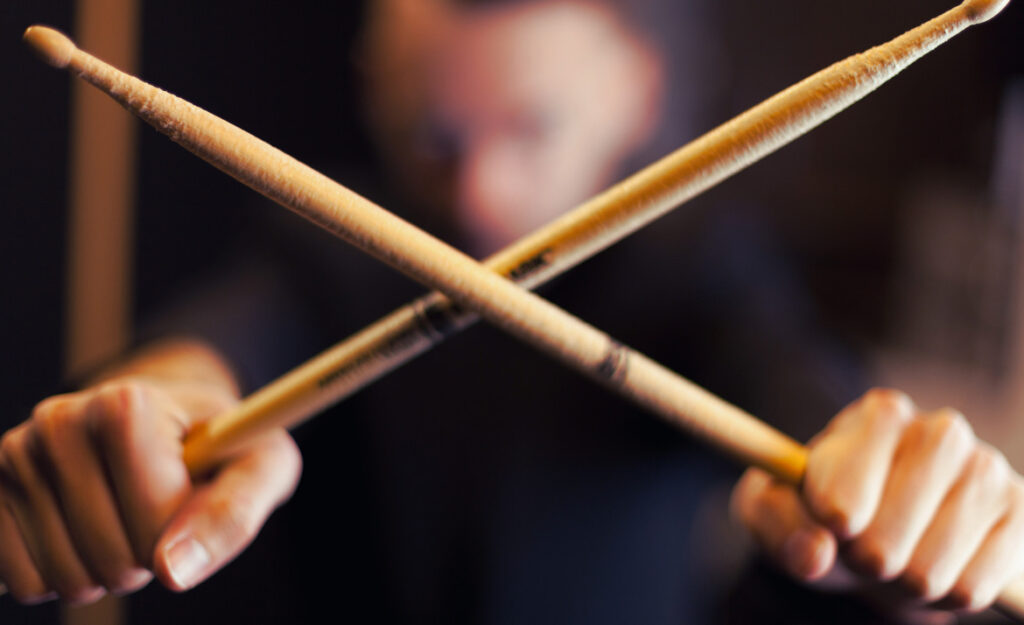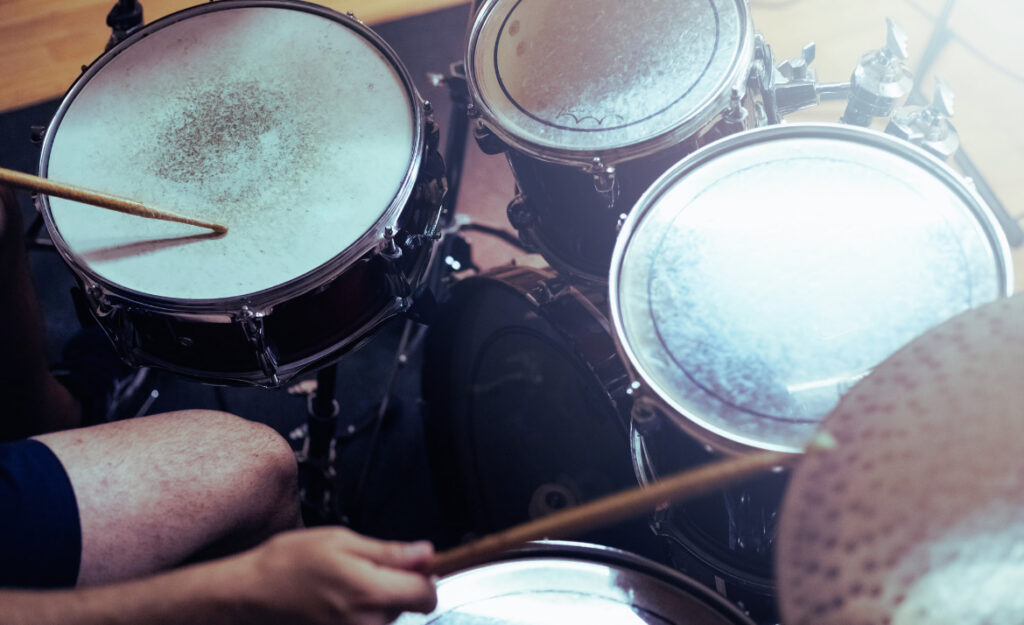

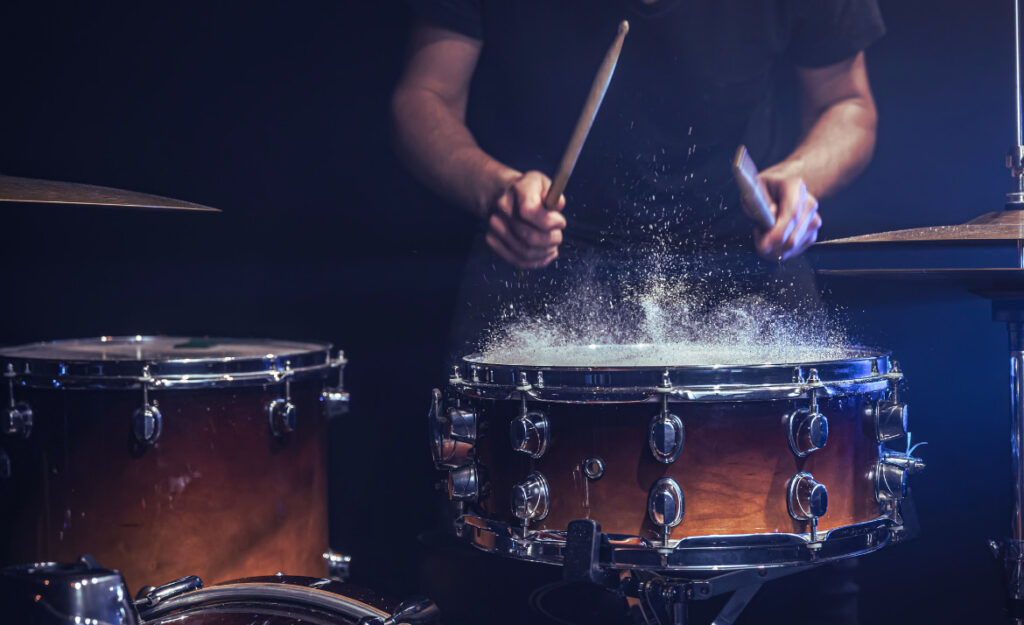
Seeing a live punk band, you instantly notice the relentless tempo and drive. Right at the center sits the drummer, a blur of sticks and motion rolling through breakneck fills.
The irresistible rush in these performances owes much to punk rock drumming, which brings focused intensity and stamina to the genre. It defines both the speed and the attitude of punk music.
This article explores punk rock drumming fast grooves and energy, breaking down the distinctive techniques, equipment choices, genre influences, practical applications, and the broader musical context that shape punk drumming today.
Fast Grooves Set the Pulse for Punk Drumming
Success with punk rock drumming means locking in with fast beats and relentless energy, powering the band through explosive songs and short, sharp sets in crowded venues.
A drummer’s steady right hand delivers unceasing hi-hat or ride patterns, while snare and kick alternate quickly to create the genre’s unmistakable push.
Consistency When Playing at High Speed
Fast grooves need careful control, as many punk tempos leave no room to recover if a beat is missed. Stamina and muscle memory matter even more than raw strength.
Punk rock drumming rewards the steady player rather than the flashy one, with precise motion making sure every beat lands clean and clear despite the speed.
Variations in Punk Grooves
While some early punk stuck to straight eighth-note patterns, later drummers introduced syncopation and halftime segments, stretching what punk rock drumming could do.
Rim clicks, tom runs, and ghost notes build in texture, ensuring that fast grooves remain interesting and dynamic without losing energy or clarity.
Driving Energy Through Technique and Movement
Punk relies on raw energy; techniques for drummers must deliver that from the first note to the last. Ergonomics and efficient motion become key for endurance.
Economy of Motion in Punk Drumming
Small, controlled stick movements allow for both speed and stamina. Lift elbows only as far as necessary, keeping wrists loose for quick response.
When drumsticks rebound naturally instead of forcing every hit, punk rock drumming gains both speed and lessens fatigue—essential during long sets or up-tempo tracks.
- Practice with a metronome to push speed without sacrificing accuracy; challenge yourself but focus on evenness, not just acceleration.
- Warm up wrists with controlled doubles, aiming for clear sound on every note, whether slow or fast.
- Alternate your lead hand occasionally to balance muscle development and prevent strain or injury over time.
- Record rehearsals at fast tempos to spot sloppy technique or inconsistency before performing live with a band.
- Incorporate basic foot exercises to ensure the kick drum remains powerful and consistent during punk rock drumming patterns.
Efficient technique not only makes playing fast possible, it keeps your performance consistent from song to song and show to show.
Physical Conditioning and Recovery
Stamina-building exercises off the kit directly improve punk drumming performance. Consider cycling, running, or drumming-specific endurance workouts to boost results.
Punk rock drumming puts stress on forearms and shoulders, so post-rehearsal stretches reduce the risk of repetitive strain or fatigue.
- Incorporate dynamic warm-up movements before playing, like shaking out hands and forearms for one minute on each side.
- Drink water during practice and gigs to keep muscle response sharp and prevent cramping from sweat loss.
- Sleep at least seven hours before intense sessions so your body can repair muscle fibers worked during punk rock drumming.
- Use a foam roller or massage ball on upper arms and shoulders after particularly strenuous practices for quicker recovery.
- Take short breaks to shake out your hands between fast, high-energy songs to preserve grip and feel.
Investing in both preparation and recovery ensures you can bring high energy to every performance and avoid burnout in the long run.
Classic and Contemporary Examples Define Punk Drumming
Punk rock drumming draws from decades of relentless records and shows. Each era’s drummers built on what came before, blending technique and chaos for unmistakable drive.
Some players prefer the stripped-down early approach, while others use advanced techniques and genre crossovers to keep the punk spirit alive.
Live Show Scenarios in Punk Drumming
At a crowded punk venue, the drummer must keep tempos steady under pressure, making fast fills sound effortless. All energy remains focused on propulsive rhythm, not soloing.
Unexpected changes, like broken sticks or lost cymbal toppers, require quick thinking. Punk rock drumming thrives on resourcefulness as much as skill on fast-paced sets.
Studio Session Approaches
Recording punk drumming differs from playing live. Headphones and click tracks let drummers experiment with layerings, overdubs, and alternate takes, dialing in the punch needed for standout studio tracks.
Punk rock drumming in the studio values raw takes that feel urgent, with minimal editing—mistakes are left in if they add to the song’s energy and vibe.
Producers capture the aggressive sound through close mics and loose mixing, keeping the drums front and center and reflecting the chaos of the genre.
Comparing Gear for the Fastest Punk Rock Drumming
Drummers constantly seek the right setup for punk rock drumming, aiming for durability, speed, and the perfect attack. Certain gear choices make a significant difference at high tempos.
| Drumsticks | Snare Drum | Pedal |
|---|---|---|
| Vater Power 5A | Ludwig Supraphonic | Pearl Demonator |
| Vic Firth Extreme 5B | Tama S.L.P. G-Maple | Tama Iron Cobra |
| Promark FireGrain | Pork Pie Brass | DW 5000 |
| Zildjian 5A | Pearl Sensitone | Mapex Falcon |
This table shows that gear selection for punk rock drumming prioritizes speed, comfort, and precise attack to meet the demands of sustained fast tempos and aggressive gigging.
Subgenres, Phrasing, and Evolving Sound in Punk Drumming
As punk evolved, so did its drumming styles, branching into diverse subgenres. This section looks at hardcore, pop-punk, and melodic punk’s distinct approaches to groove and energy.
Hardcore Punk’s Relentless Drive
Hardcore punk drumming pushes tempos even faster. Drummers in this style use frequent blast beats and short fills to whip up immediate crowd reaction in live settings.
Volume and stamina dominate this subgenre. Punk rock drumming in hardcore often means two-minute songs played flat out, with rimshot snare hits and rapid-fire kick lines.
Pop-Punk’s Melodic Take
Pop-punk adds catchy hooks to the raw energy, featuring cleaner, bounce-driven groove patterns on the drums. Syncopated hi-hats and rim clicks generate texture without losing velocity.
Punk rock drumming here often supports big choruses, combining double-time verses with halftime breakdowns for variety and maximum singalong energy onstage.
Melodic Punk’s Narrative Approach
Melodic punk bands lean into expressive phrasing, using dynamic drums to track emotional shifts in lyrics. Tom work and ghost notes add color and drama along the way.
As a result, punk rock drumming in this context prizes creativity, bringing subtle dynamic contrasts to otherwise rapid-paced material and accenting the storytelling found in each track.
Punk’s subgenres reveal how drummers adapt their approach, letting energy and speed serve different roles while keeping punk’s original intensity alive at every show.
Punk Drumming’s Place in Broader Musical Collaboration
Punk rock drumming shapes how the genre interacts with group dynamics, learning, and gear. The following subsections outline clear strategies for developing strong punk grooves in different settings.
Daily Practice for Punk Speed and Stamina
Consistent, focused practice at fast tempos improves coordination and muscle memory. Set clear goals for speed and volume, tracking progress week to week for motivation and clarity.
Using a metronome or drum machine, work punk beats up to gig speed, pausing between sets for wrist exercises or simple stretches, keeping fatigue at bay without sacrificing momentum.
Playing Punk in a Group
Communication keeps punk bands on time. Drummers cue transitions and set song tempos through stick clicks or vocal counting, promoting tight ensemble timing with every kick, snare, and crash hit.
Band practice strengthens punk rock drumming consistency, as live feedback and adjustments on the fly translate directly to smoother, more energetic performances with a full group.
Choosing and Maintaining Gear
Punk gigs put equipment durability to the test. Well-maintained sticks, snare heads, and pedals are essential, as malfunctions during fast songs quickly derail momentum and group cohesion.
Check and tune drums before each rehearsal or show, prioritizing even tension and solid pedal response to guarantee every note of your punk rock drumming cuts through the band’s wall of sound.
Bringing together daily routines, collaboration, and savvy gear choices creates an ideal environment for powerful, consistent punk rock drumming in every scenario.
Overcoming Punk Drumming Challenges and Pushing Limits
Punk drummers constantly face technical and physical challenges. Endurance, injury prevention, and evolving musical styles require commitment and adaptability for continued progress.
It’s easy for punk rock drumming to fall into repetitive patterns. Seeking inspiration from other genres and learning new sticking combinations fosters creativity and musical growth.
Staying curious drives the next evolution of punk drumming. Incorporating diverse fills, dynamic shifts, and deliberate silence keeps both band members and audiences listening closely and feeling the energy build.
Further Reflection on Fast Grooves and Energy in Punk Drumming
Punk rock drumming ties together physical stamina, technical skill, gear selection, and expressive collaboration to generate the defining energy and groove of the genre.
By analyzing and practicing punk grooves, drummers gain tools to drive a band with control and creativity—even at the highest speeds and on the tightest stages.
Continued practice, exploration of subgenres, and paying attention to details let any drummer find their voice and keep punk’s fiery spirit alive behind the kit into the future.