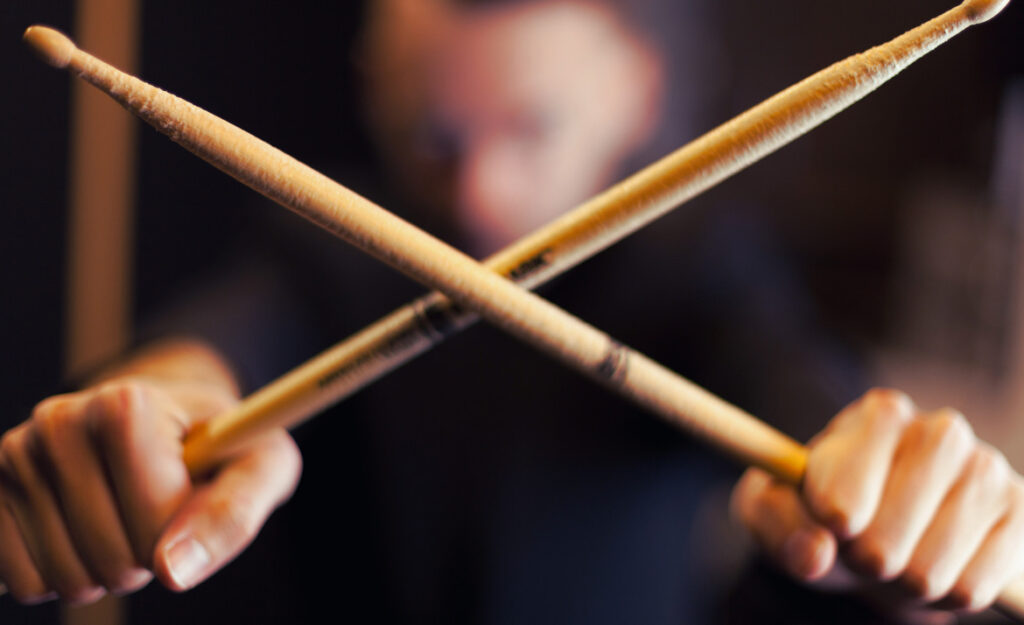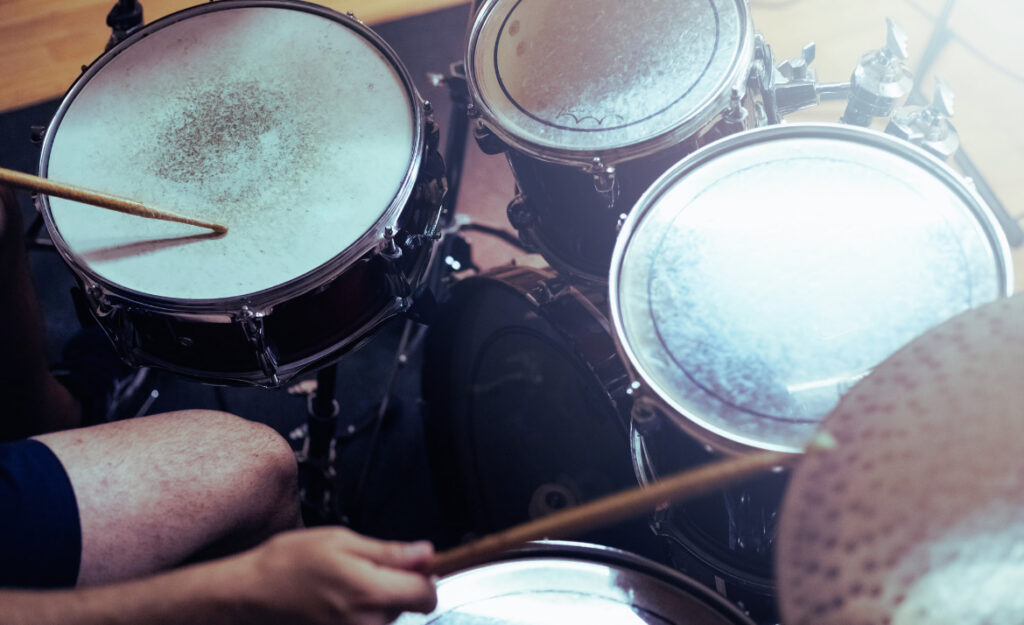
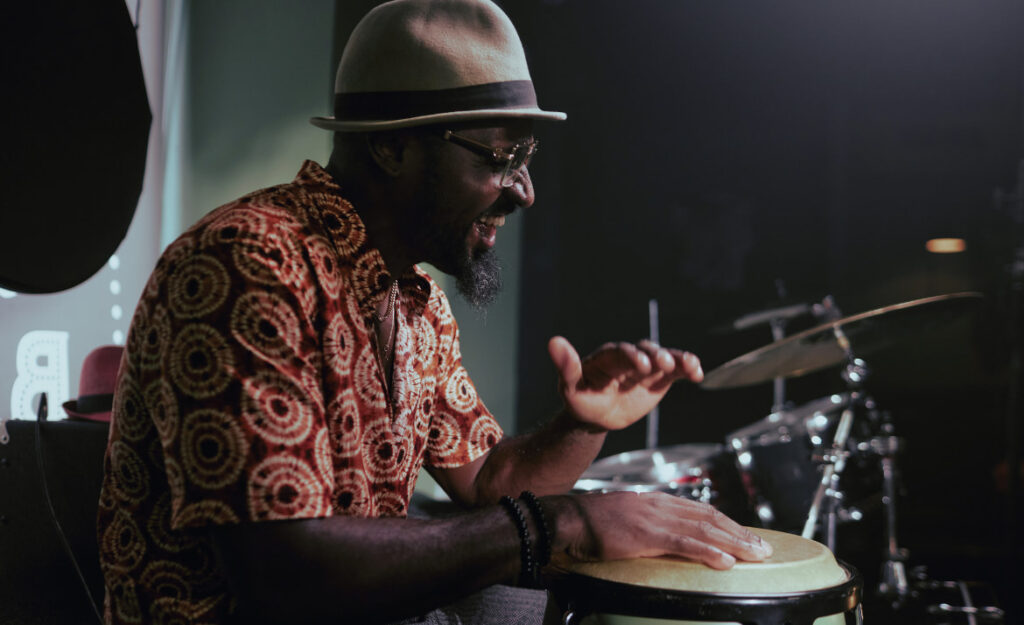
The steady pulse of Caribbean rhythms draws both new and experienced musicians to its laid-back groove. Deep within these musical landscapes, reggae drumming stands out, captivating listeners with its unique pocket.
Drummers worldwide chase that signature groove, often pausing to decode what gives reggae drumming its inviting sound and infectious sway. The one drop feel is central to this journey.
In this detailed guide, you’ll explore the inner workings of reggae drumming, learn essential one drop techniques, see practical gear comparisons, and discover real-world examples to inspire fresh practice sessions.
Recognizing the Roots of Reggae Drumming for Foundational Skill
Studying reggae drumming helps you identify classic elements that create the unmistakable beat. The music’s history and cultural influence are as important as technique for authentic performance.
Every reggae drummer draws on decades of tradition—players interpret the genre’s subtle syncopation and rhythmic swagger differently, yet root their sound in the signature one drop feel.
Cultural Origins Shape Technique and Expression
Jamaican ska and rocksteady gave reggae drumming its earliest foundation, embedding unique accents and swing. The migration from faster, lively tempos to reggae’s relaxed timing marked a new era.
Each generation of drummers infuses reggae with diverse personal flavor, yet honors the core habits passed down from legends like Carlton Barrett and Leroy “Horsemouth” Wallace.
Signature Influences Strengthen Practice Habits
Listening to classic reggae records reveals dynamic shifts, clever rim clicks, and subtle hi-hat interplay. These building blocks define the sound that experienced players model and adapt in their routines.
Reggae drumming’s details—ghost notes, dynamics, and tension—push drummers to refine timing and create deeper emotional connection. The roots invite precise hands and open ears.
Unlocking the Musical DNA of the One Drop Groove
Grasping the essence of reggae drumming means dissecting the skeleton of the one drop groove, where the snare and bass work together as rhythmic anchors.
Coordinating Hands and Feet for Pocket Rhythm
The classic one drop groove places the snare and bass drum together—right on beat three—leaving beats one and two more open. Hi-hats fill in the steady eighth note flow.
Players maintain a relaxed, riding feel on the hats while delicately ghosting notes in. This complements reggae drumming with signature spacing and an infectious forward drive.
- Count each measure in four and focus the kick-snare on beat three for classic one drop flavor and true reggae drumming essence.
- Keep hi-hat accents consistent and steady to maintain the groove’s hypnotic energy without overpowering the rhythm section’s feel.
- Experiment with muted stick techniques and rim clicks to diversify sonic options within traditional or modern reggae drumming arrangements.
- Practice lockstep timing between your limbs for deep pocket, especially when the arrangement drops out instruments around the drum groove.
Subtle dynamics separate seasoned reggae drummers from beginners—learning the one drop pattern is crucial before improvising more complex layers or fills.
Expanding from One Drop to Steppers and Rockers Patterns
Beyond one drop, players introduce “steppers” and “rockers” grooves, layering more syncopation and complexity between kick and snare configurations but maintaining reggae drumming’s pulse.
Steppers features four-on-the-floor bass while rockers splits even emphasis between snare and hi-hat. Contrast helps drummers adapt to various reggae subgenres and performance settings.
- Try alternating snare hits with ghost notes to create a fuller reggae drumming feel beyond classic one drop arrangements.
- Layer cross-stick taps for signature percussive flavor in roots reggae, dub, and dancehall-based grooves on your kit.
- Explore both open and closed hi-hat variations, blending dynamics for personal sound and stylistic range in reggae drumming.
- Sustain a relaxed wrist technique for smooth transitions between hi-hat, snare, and toms within reggae patterns.
Transitioning between these grooves helps you match the band’s energy and keep the reggae drumming pocket strong through every song section.
Applying One Drop Patterns in Songs and Jam Settings
Practical applications of reggae drumming show how grooves function across styles. Performing in bands or accompanying vocalists provides context for adapting the one drop’s timing, volume, and accents.
Building Dynamics in Small Ensemble Performances
Reggae drummers add depth by responding to melodic lines and dynamic shifts. Dropping the volume for verses and ramping up intensity in choruses enhances both song structure and groove impact.
Regular practice sessions with a metronome and backing tracks reinforce steady one drop execution and help players internalize reggae drumming’s distinctive ebb and flow.
Tracking Studio Sessions for Layered Arrangements
Recording reggae drums demands even greater awareness of note placement and articulation. Producers may request subtle variations between verses and choruses or favor isolated rim clicks for vintage sound.
Sessions challenge drummers to balance live feel with studio precision, often requiring multiple takes or minor adjustments to fully capture the intended reggae drumming character.
Comparing Key Apps and Tools for Learning Reggae Drumming
Choosing the right digital aids can accelerate progress. This comparison spotlights top solutions enabling you to efficiently develop and refine your reggae drumming technique at home or in rehearsal spaces.
Each platform provides different approaches: from structured lessons to interactive play-alongs, drummers can match resources to skill levels and specific reggae drumming goals.
| App/Platform | Main Feature | Reggae Drumming Focus |
|---|---|---|
| Melodics | Step-by-step grooves and exercises | Dedicated reggae drumming lessons and timed drills for one drop mastery |
| Drumeo | Video courses and live classes | In-depth reggae drumming breakdowns taught by genre specialists |
| Soundbrenner | Wearable metronome and app sync | Precise tempo tools to internalize consistent reggae drumming pulse |
| GarageBand | Multitrack recording and editing | Program reggae drumming grooves for practice or concept demos |
Matching learning tools to specific reggae drumming techniques ensures focused progress, especially when self-teaching or building confidence in quick rehearsal turnarounds.
Exploring Rhythmic Variations within Modern Reggae Drumming
Modern drummers adapt roots techniques to new contexts, blending substyles for a more versatile sound. Breaking out of the classic one drop enriches personal expression.
Incorporating World Percussion for Hybrid Grooves
Layering hand percussion, such as bongos or shakers, expands the textures in reggae drumming. These additions accentuate grooves and help players carve out unique sonic signatures.
Small percussive flourishes also enhance fill choices and embellishments, pushing boundaries while maintaining authentic reggae drumming pulse throughout the arrangement.
Syncopated Ghost Notes Add Dynamic Nuance
Using ghost notes sparingly generates subtle push-pull effects in the groove. This approach deepens contrast between main snare shots and background rhythm, making reggae drumming both sophisticated and playful.
Careful placement of softer strokes brings life to verses or instrumental sections, empowering drummers to highlight melodies without overpowering vocals.
Adding Hi-Hat Openings and Choked Effects
Manipulating the hi-hat—by dropping in brief openings or controlled chokes—changes the groove’s character, producing tension or release. This flexibility gives reggae drumming unmistakable movement.
Experimenting with foot splashes during turnarounds or chorus sections keeps the pattern engaging for bands and listeners alike.
Each approach lets reggae drumming serve the song’s mood, so players foster both tradition and creative freedom whenever they sit at the kit.
Integrating Reggae Drumming with Bands and Studio Sessions
Collaborating with other musicians challenges drummers to blend their sound with evolving arrangements, respecting reggae drumming roots while supporting the group’s artistic vision.
Communicating Groove Intent with Bandmates
Clear, steady reggae drumming provides the backbone for guitar, bass, and keyboards to build around. Explaining groove changes ensures tight ensemble playing and reinforces trust during performances.
Practicing signal cues—like stick clicks or body movement—helps the group lock in changes, especially during breakdowns or riddim section switches found in classic reggae tracks.
Documenting Arrangement Details for Recordings
Making detailed notes before recording tracks helps maintain consistent reggae drumming throughout takes. Tracking fills, variations, and specific one drop placements gives producers handy reference points.
Being well-prepared supports fast, efficient studio sessions, reducing retakes and keeping energy high among bandmates and sound engineers alike.
Adjusting Sound to Venue Acoustics
Live settings demand deliberate choices in kit setup and tuning. Muting or swapping snares, adjusting hi-hats, or dampening drums as needed guarantees reggae drumming cuts through any room.
Testing out the groove at soundcheck fine-tunes the mix and helps the drummer make nuanced volume adjustments for an ideal performance blend.
Bringing reggae drumming to various spaces refines players’ adaptability and musical confidence across different gig scenarios.
Making Reggae Drumming Part of Daily Practice and Growth
Integrating reggae drumming routines into daily practice sets the stage for steady growth. Setting specific goals ensures players measure and celebrate their own development journey.
Balancing Technique and Feel in Practice Sessions
Rotating between metronome exercises and live play-alongs enables drummers to fine-tune mechanical accuracy while developing flow and groove sensitivity.
This balance prevents overthinking and keeps reggae drumming musical, not mechanical, in all real-world settings.
Recording and Reviewing for Instant Feedback
Documenting practice with smartphone audio or basic recording software provides instant feedback. Players notice minor inconsistencies—like volume dips or tempo shifts—and target habits for improvement.
Recording reggae drumming at different speeds uncovers areas for growth and keeps practice fun.
Seeking Community Support for Motivation
Joining online groups or local jam circles introduces diverse groove interpretations and real-time advice. Video sharing and constructive critique propel reggae drumming technique forward quickly.
Community feedback boosts enthusiasm and keeps players motivated to refine their skills week after week.
Daily attention to reggae drumming’s details makes routines productive and inspires confident musicianship at every stage of development.
Troubleshooting, Refining, and Advancing Reggae Drumming Skill
Addressing common roadblocks—like inconsistent volume or timing—moves reggae drumming toward authentic, reliable pocket that supports any band or studio project.
Troubleshooting ghost note dynamics by slowing down the tempo allows players to identify where articulation fades or rushes. Patience here leads to effortless reggae drumming over time.
Setting incremental targets, such as controlling hi-hat patterns or expanding fill vocabulary, helps keep practice focused while celebrating ongoing personal and musical growth.
Key Takeaways for Drummers Looking to Grow with Reggae Patterns
Reggae drumming’s one drop foundation, flexibility, and supportive groove make it essential in the toolkit of modern drummers. Consistent practice brings out signature pocket and personality.
Embracing reggae drumming cultivates strong timing, listening, and musicality, reinforcing the value of groove-based playing in every context, from solo practice to large stage production.
Attentive listening, curious experimentation, and ongoing collaboration with other musicians empower drummers to honor reggae’s history while contributing uniquely to its future sound.