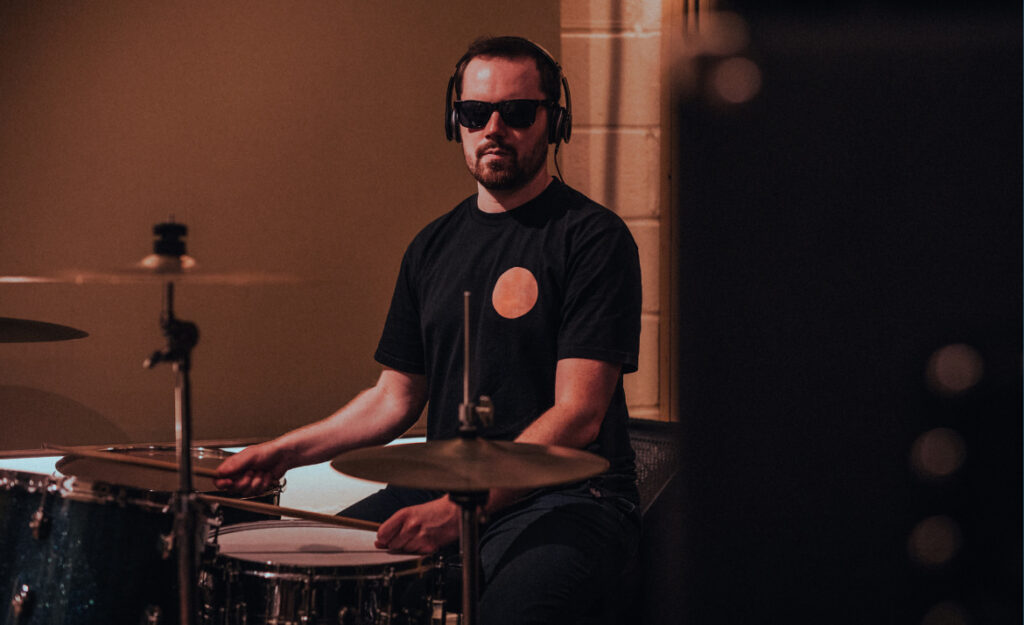

You step into a rehearsal space and instantly recognize the sound of crisp snare hits, steady kicks, and syncopated hi-hats blended into a signature groove. Buried in that beat is a history shaped by bold musicians who carved out rock drumming’s place in popular music. Over decades, certain patterns became essential, both to players and the listeners who move to the rhythm.
Rock drumming isn’t crafted in isolation. It responds to changes in song structure, guitar arrangements, and the demands of energetic crowds. This gives it a creative pulse and makes it exciting to study and play. Drummers have always adapted, forming new patterns that push the genre forward.
This article explores the most iconic rock drumming patterns, showing how they shaped the genre and remain vital for modern drummers. We’ll look at practical examples, variations, and resources to help you learn and apply these techniques.
The Backbone Groove: Laying Down the Classic Rock Pulse
Learning the foundational groove delivers immediate results for any drummer aiming to master rock drumming patterns. Straight eighth notes on the hi-hat are the heart of this approach and appear throughout the genre.
Consistent snare accents on beats two and four create forward motion in the music, offering a familiar pocket for both band members and listeners. This pulse invites everyone to lock in and move together.
Kick and Snare Relationships
Positioning the kick drum creatively, either doubling with the bass or syncopating it, transforms a basic groove into a pattern that drives songs. Experimenting with placement develops musicality.
Rock drumming patterns shine when kick and snare interact. For maximum effect, alternate simple and complex combinations while maintaining clarity and a solid pulse. Shifting kicks can add unexpected excitement.
Variations Within the Groove
Small changes—such as ghost notes or open hi-hat accents—elevate a standard beat. Try adding subtle dynamics for personal flair or tension without disrupting the groove’s function.
These shifts allow each drummer to leave an individual mark on songs. Recognizing subtle rhythmic details makes patterns instantly memorable and uniquely expressive in rock drumming.
Driving Rhythms: Building Intensity With Powerful Patterns
Applying driving rhythms immediately increases energy, helping bands build momentum and excitement through expertly crafted rock drumming patterns. Strong accents frame transitions and amplify emotional impact.
Double-Time Feels
Switching to double-time gives the sense of acceleration without changing the song’s tempo. Quick snare and hi-hat strokes generate high energy, especially in choruses or bridges.
Drummers use double-time to bring intensity up for climactic moments, fueling audience engagement when it matters most. Mastering this feel enhances musical storytelling in any set.
- Focus on keeping your hand and wrist relaxed, building up speed gradually for control and stamina.
- Start practicing double-time patterns at slower tempos before attempting performance speed to maintain precision.
- Accent the snare consistently, as fluctuations affect the perceived groove and song momentum.
- Mix ride cymbal or crash hits in fills for added excitement and variety—avoid static repetition in longer sections.
- Let your practicing bandmates know about transitions, reinforcing ensemble timing and avoiding confusion during live performances.
Double-time creates excitement but relies on clear accents and group awareness. Use it to raise stakes strategically, then return to the pocket for dynamic contrast in your rock drumming.
Syncopated Driving Patterns
Syncopated kicks and off-beat hi-hats lock the groove, shifting energy and grabbing listeners’ attention. These patterns encourage creative phrasing and responsive playing in rock drumming.
Explore placement of kick drums before or after snare accents, adding surprise and tension. Efficient transitions between simple and syncopated parts keep performances dynamic and compelling.
- Begin with basic syncopations, such as delaying a kick for one beat, and build complexity as you develop comfort.
- Use metronomes and counting exercises, solidifying your internal sense of time while experimenting with new accents.
- Balance syncopated measures with straightforward ones to maintain recognizable grooves that feel grounded yet adventurous.
- Pay attention to guitar or bass phrasing, coordinating drum hits to complement the arrangement instead of crowding it.
- Record and review segments, quickly identifying weak spots that interrupt the pulse or muddy transitions between sections.
Embracing syncopation in rock drumming unlocks more inventiveness. Consistency and communication make bold choices land cleanly every time.
Signature Fills: Marking Moments and Leading Transitions
Signature fills not only showcase technical skills but signal changes, keeping band and audience locked in. Fills separate sections while reinforcing the tempo—and are cornerstones of great rock drumming patterns.
Classic fills include snare-dominated rolls or full-kit sweeps, each tailored for a specific moment in the song. Their precise timing and creative construction speak volumes.
Classic Fills That Shaped Songs
Think of Phil Collins’s tom-tom flourish in “In the Air Tonight” or John Bonham’s crisp snare-and-tom combos in Led Zeppelin hits. Fills like these became instantly recognizable, defining classic tracks.
Reproducing legendary fills improves one’s ear and feel, helping drummers internalize signature rock drumming approaches. Study the transition points and context for best results.
Designing Your Own Fills
Borrow ideas from legends but tweak elements—change stickings, switch tom order, add or subtract notes—for originality. Start simple, then increase complexity as you gain confidence.
Create motifs that match a song’s mood and style. Try three-note clusters, double strokes, or inverted sticking techniques. Review your performances, refining fills to enhance musicality and communication.
Comparing Rock Drumming Tools: Apps, Hardware, and Sheet Music
Access to robust tools and resources expands a drummer’s ability to master essential rock drumming patterns. Each tool suits different learning preferences and goals, from practice to performance preparation.
The table below compares some leading options available for exploring grooves, fills, and stylistic nuances in rock drumming:
| Resource | Type | Main Feature |
|---|---|---|
| Drumeo | Online Platform | Extensive video lessons on rock drumming, famous patterns, and pro tips |
| Melodics | App | Interactive rhythm games focused on rock drumming and timing |
| Vic Firth PDF Library | Sheet Music | Downloadable rock drumming transcriptions and groove exercises |
| YouTube | Streaming Video | Countless tutorials for grooves, fills, and rock drumming techniques |
| GarageBand | Software | Composing and recording virtual drum tracks using real rock drumming sounds |
This comparison helps you match tools to your goals, whether you’re learning at home, refining fills, or composing original rock drumming grooves.
Iconic Patterns Across Rock Subgenres: Adapting to Style and Era
Each rock subgenre features drumming patterns that reflect its unique energy and aesthetic. Exploring these patterns broadens a drummer’s toolkit and deepens musical understanding.
Hard Rock and Arena Styles
Driving quarter notes, heavy bass drum accents, and big snare hits create anthemic grooves. These patterns suit massive venues and emphasize crowd participation in rock drumming.
Boosting volume and clarity, players employ larger drums, open hi-hats, and pronounced fills. Hard rock’s simplicity demands power and stamina, making every rhythm count in loud environments.
Punk and Alternative Grooves
Faster tempos and relentless eighth-note hi-hats underpin punk and alternative. Minimal fills allow guitars and vocals to shine. Locked-in kick-snare relationships promote urgency and drive song structure.
Adding subtle variations between verses and choruses helps keep grooves fresh. Syncopated fills and rimshot accents add punch, showing rock drumming’s flexible side across aggressive genres.
Progressive Rock Explorations
Odd meters, mixed signatures, and tricky subdivisions define progressive rock drumming. Drummers experiment with linear patterns and polyrhythms, constantly pushing boundaries within the genre.
Precision and coordination matter, but so do dynamic changes and inventive phrasing. Mastering these advanced patterns prepares drummers for complex, engaging performances.
Together, these subgenre variations highlight rock drumming’s diversity—proving that each style rewards attention to distinctive rhythmic vocabulary.
Applying Patterns in Practice: Methods for Consistency and Growth
Adopting specific routines enhances accuracy and comfort with new rock drumming patterns, making progress enjoyable and sustainable. Mixing methods builds adaptability and long-term development.
Rehearsal Studio Approaches
Structured practice sessions use set tempos, play-along tracks, and targeted fills. Players focus on locking in critical sections, then revisiting them to reinforce timing and expression.
Use slow-to-fast builds, gradually accelerating while keeping patterns clear. Record yourself or play with a metronome to identify strengths and areas needing improvement.
Group Practice and Performance Situations
Band rehearsals test patterns in real context. Drummers adjust volume, accent placement, and groove shape based on interactions with guitar and bass parts during run-throughs.
Recording live sessions reveals ensemble tightness and group dynamics. Reliable rock drumming anchors performances, encouraging collaboration and learning in each song played together.
Learning With Technology
Modern apps and digital gear bring instant feedback and fresh challenges. Interactive backing tracks or games boost timing and broaden a drummer’s comfort zone with unfamiliar styles.
Combining classic and digital practice methods keeps routines engaging. This fusion helps drummers refine every element—from accuracy and dynamics to creativity in rock drumming patterns.
Applying these approaches supports both solo development and group cohesion, building musicianship and confidence.
Common Pitfalls and Evolving Your Rock Drumming Voice
Avoiding typical mistakes empowers drummers to grow within the genre. Overplaying, inconsistent timing, or neglecting subtlety hold back expressiveness in rock drumming. Stay present with the groove and song context.
Sometimes dense fills or excessive complexity disrupt momentum. Focus on pocket, listening to bandmates, and refining transitions—these habits prevent cluttered playing. Intentional practice builds reliability on stage and in studio.
Allow yourself to experiment, incorporating influences from other genres or eras. Modern rock drumming evolves by blending classic patterns with fresh ideas, sustaining creativity and relevance in changing musical landscapes.
Reflecting on Rock Drumming’s Lasting Influence
Recognizing essential rock drumming patterns clarifies what gives the genre its pulse and character. These rhythms connect decades of music, offering practical skills and a legacy to build upon.
Whether you’re a beginner or veteran, playing these grooves grounds your technique while inspiring new approaches. Learning their stories and applications deepens your understanding of drumming as musical communication.
Returning to these patterns in practice and listening sessions uncovers fresh nuances and ideas each time. Embrace the evolution, and let rock drumming shape your unique rhythmical voice.